
Used Transmissions for Sale: Costs, Warranties & Fitment
Replacing a transmission can be one of the most expensive automotive repairs, often costing thousands when opting for a new unit. For vehicle owners facing transmission failure, purchasing a used or remanufactured transmission offers a practical alternative that balances affordability with functionality. Understanding the market, knowing what to look for, and comparing your options carefully can help you make an informed decision that keeps your vehicle running without breaking the bank.
When transmission problems arise, vehicle owners face a critical decision: invest in a costly new transmission, attempt a rebuild, or explore the used transmission market. For many drivers, a used transmission represents the most economical path forward, particularly for older vehicles or those with moderate mileage. This guide examines the key considerations when shopping for used transmissions, including cost factors, warranty coverage, and ensuring proper fitment for your specific vehicle.
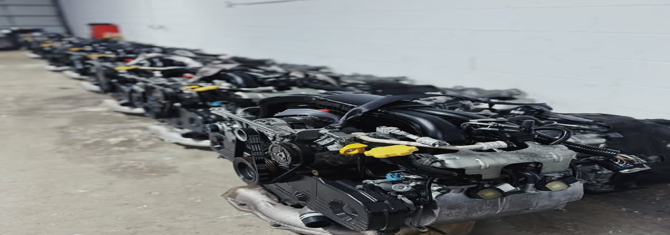
When a Used Transmission Makes Sense
Choosing a used transmission is often the right decision when your vehicle’s overall condition justifies the investment but a new transmission would exceed the car’s value. Vehicles with sound engines, intact body structures, and reasonable mileage are ideal candidates. A used transmission becomes particularly attractive when the cost of a new unit approaches or exceeds 50 percent of your vehicle’s market value. Additionally, for discontinued models or older vehicles where new transmissions are scarce or prohibitively expensive, the used market may be your only viable option. Drivers planning to keep their vehicles for a few more years rather than indefinitely often find that a quality used transmission provides sufficient longevity without the premium price of new components.
Types Sources & Alternatives
The used transmission market offers several distinct categories, each with different quality levels and price points. Salvage yard transmissions come from vehicles involved in accidents or mechanical failures unrelated to the transmission itself. These units are typically sold as-is with minimal testing. Remanufactured transmissions undergo complete disassembly, inspection, and replacement of worn components, offering reliability closer to new units. Rebuilt transmissions receive repairs to address specific failures but may not include comprehensive component replacement. Low-mileage used transmissions, often sourced from vehicles totaled in collisions, provide another option with potentially longer service life. Sources include local salvage yards, specialized transmission suppliers, online marketplaces, and auto recyclers with nationwide shipping capabilities. Each source presents different advantages in terms of selection, warranty coverage, and price competitiveness.
What to Compare: Features & Evaluation Criteria
Successful transmission replacement requires careful attention to compatibility and condition. Vehicle identification number decoding helps ensure the transmission matches your specific make, model, year, and engine configuration. Gear ratios, mounting points, and electronic control systems must align precisely with your vehicle’s specifications. When evaluating a used transmission, request mileage documentation and service history if available. Visual inspection should reveal clean fluid without burnt odors, absence of external cracks or damage, and intact mounting brackets. Warranty terms vary significantly between sellers and should cover at least 30 to 90 days for basic protection. Reputable suppliers often provide longer warranties on remanufactured units. Return policies, core charges, and installation support also factor into the overall value proposition. Transmission type matters as well: manual transmissions generally present fewer compatibility issues than complex modern automatics with integrated computer systems.
Pricing & True Cost Expectations
Transmission replacement costs extend beyond the unit price itself. Understanding the complete financial picture helps avoid surprises and enables accurate budgeting. The following table provides general cost ranges based on current market conditions:
|
Transmission Type |
Source |
Estimated Cost Range |
|---|---|---|
|
Manual (used) |
Salvage Yard |
300 – 800 |
|
Manual (rebuilt) |
Transmission Shop |
800 – 1,500 |
|
Automatic (used) |
Salvage Yard |
500 – 1,500 |
|
Automatic (rebuilt) |
Transmission Shop |
1,200 – 2,500 |
|
Remanufactured |
Specialized Supplier |
1,800 – 3,500 |
|
Installation Labor |
Mechanic/Shop |
500 – 1,200 |
Prices, rates, or cost estimates mentioned in this article are based on the latest available information but may change over time. Independent research is advised before making financial decisions.
Beyond the transmission itself, factor in installation labor, which varies by vehicle complexity and shop rates in your area. Front-wheel-drive vehicles typically require less labor than rear-wheel or all-wheel-drive configurations. Additional costs may include transmission fluid, filters, gaskets, and potential torque converter replacement. Core charges, refundable deposits on your old transmission, typically range from 100 to 300. Shipping fees for online purchases can add 150 to 400 depending on distance and freight requirements. Total project costs for a complete used transmission replacement generally fall between 1,200 and 4,000, compared to 3,500 to 8,000 or more for new transmission installations.
Discounts Timing & Pricing Fluctuations
The used transmission market experiences pricing variations influenced by supply, demand, and seasonal factors. Salvage yards often negotiate on price, particularly for transmissions that have been in inventory for extended periods. Purchasing during slower automotive repair seasons, typically late fall and winter in many regions, may yield better deals as suppliers seek to move inventory. Online marketplaces enable price comparison across multiple suppliers, creating competitive pressure that benefits buyers. Bulk purchases or establishing relationships with local salvage yards can result in preferential pricing for repeat customers or professional mechanics. Remanufactured transmissions occasionally go on sale during promotional periods, though these premium options maintain more stable pricing than salvage units. Timing your purchase to avoid urgent situations provides negotiating leverage and allows thorough research. Economic factors, including scrap metal prices and vehicle production cycles, influence long-term pricing trends in the used parts market.
Ensuring Proper Installation and Longevity
Even a quality used transmission requires proper installation and maintenance to deliver reliable service. Professional installation by experienced technicians reduces the risk of improper fitment, inadequate fluid levels, or electronic configuration errors. Transmission coolers, often overlooked, should be flushed or replaced to prevent contamination of the replacement unit. Fresh transmission fluid and filters are essential, as old fluid can compromise a newly installed transmission. Following manufacturer-specified break-in procedures, typically involving gentle driving for the first few hundred miles, allows internal components to seat properly. Regular fluid changes at recommended intervals significantly extend transmission life. Monitoring for leaks, unusual noises, or shifting irregularities during the first weeks after installation enables early detection of potential issues while warranty coverage remains active.
Purchasing a used transmission requires balancing cost savings against reliability concerns, but with careful selection and proper installation, it offers a practical solution for extending your vehicle’s service life. Thorough research, realistic cost expectations, and attention to compatibility ensure the best possible outcome for this significant automotive investment.