Read More About Non Surgical Tips To Tighten Loose Underarm Skin
Loose or crepey skin under the arms is one of the most common skin concerns as we age, often called “bat wings,” and it can affect confidence in sleeveless shirts, swimsuits, and everyday movement. The good news: surgery isn’t the only option. From targeted exercises to skincare ingredients backed by dermatology research and non-invasive in-office treatments, there are real, achievable ways to firm up underarm skin. Here’s a practical, no-nonsense breakdown of what actually works and what to expect.
Non-Surgical Ways to Tighten Loose Underarm Skin (What Actually Works)
If you’ve noticed the skin under your arms starting to sag, jiggle more than it used to, or lose that firm, snapped-back look it once had, you’re far from alone. It’s one of the most common skin complaints among adults over 40 — and it has nothing to do with willpower or how “in shape” someone is. It’s simply what happens to skin over time, and understanding why is the first step toward actually improving it.
Why Underarm Skin Loses Its Firmness
Skin firmness comes down largely to two structural proteins: collagen and elastin. Collagen gives skin its strength, and elastin gives it the ability to snap back into place after stretching. As we age, our bodies produce less of both, which is why skin across the whole body — but especially in thinner areas like the underarms — starts to lose its bounce.
A few other common contributors make the problem worse:
-
Significant weight loss. When skin has been stretched by extra weight for years, losing that weight quickly can leave the skin without enough elasticity to fully retract.
-
Sun exposure over the years. UV damage breaks down collagen and elastin more aggressively than almost anything else, which is part of why areas that see regular sun exposure often show looseness earlier.
-
Genetics. Some people are simply predisposed to looser, less elastic skin regardless of weight or lifestyle.
-
Reduced muscle tone. The triceps sit directly beneath the underarm skin, and less muscle definition there can make overlying skin appear looser and less supported.
Underarm skin in particular tends to be thinner and has less underlying supportive tissue than skin elsewhere on the body, which is exactly why it’s often one of the first places people notice sagging.
Start With What’s Underneath: Building Triceps Muscle
One of the most overlooked strategies for firmer-looking underarm skin isn’t a cream or a treatment — it’s building the muscle that sits directly beneath it. More toned triceps can visually fill out loose skin and reduce the appearance of sagging, even before any changes to the skin itself take hold.
A few simple, no-equipment exercises that specifically target this area:
-
Push-ups. A classic for a reason — they work the triceps along with the chest and shoulders. Start with modified (knee) push-ups if needed and build from there.
-
Chair dips. Using a sturdy chair or bench, dips isolate the triceps more directly than push-ups and are easy to do at home.
-
Arm circles and resistance band work. Small, controlled movements with light resistance help tone the area without needing a gym.
-
Yoga and Pilates. Poses like downward dog, plank, and chaturanga engage the arms repeatedly and build functional strength over time, alongside general full-body toning benefits.
Consistency matters more than intensity here. Two to three short sessions a week, sustained over months, tends to produce more visible change than occasional intense workouts.
Skincare Ingredients That Actually Support Skin Firmness
While no cream can replace lost structural tissue the way surgery can, certain ingredients are genuinely backed by research for supporting collagen production and improving skin texture over time:
-
Retinoids (retinol or prescription-strength tretinoin). Widely regarded as one of the most effective over-the-counter tools for stimulating collagen production and improving skin texture with consistent, long-term use.
-
Vitamin C serums. An antioxidant that supports collagen synthesis and helps protect existing collagen from further breakdown due to sun exposure.
-
Hyaluronic acid and peptide-based moisturizers. These won’t rebuild deep structural tissue, but they improve hydration and the appearance of skin plumpness, which can make looseness less noticeable day to day.
-
Daily SPF. This might be the single most important step, since ongoing sun exposure continues to break down the collagen you’re trying to preserve. Protecting the skin is often more impactful long-term than any single treatment.
Skincare works gradually — expect subtle improvement over 8 to 12 weeks of consistent use rather than an overnight transformation.
Nutrition and Hydration Support Skin From the Inside
Skin is a living tissue, and what you feed your body shows up in how your skin behaves over time:
-
Protein intake provides the building blocks your body needs to produce collagen naturally.
-
Vitamin C-rich foods (citrus, berries, bell peppers) work alongside dietary protein to support collagen synthesis internally, not just topically.
-
Staying well-hydrated helps maintain skin elasticity and plumpness, both of which affect how loose or taut skin appears.
-
Limiting added sugar matters more than people realize — excess sugar can bind to collagen fibers in a process that makes skin stiffer and less elastic over time.
None of these steps will dramatically reverse existing looseness on their own, but they build a foundation that makes every other approach more effective.
In-Office Non-Surgical Treatments Worth Knowing About
For people looking for more visible results than at-home routines alone can offer, several non-invasive, non-surgical treatments are available through dermatologists or medical spas. These use energy-based technology to stimulate collagen production from within the skin, without incisions or significant downtime:
-
Radiofrequency (RF) treatments. Often nicknamed the “arm facial,” RF uses controlled heat to stimulate deeper collagen production over a series of sessions, gradually improving firmness.
-
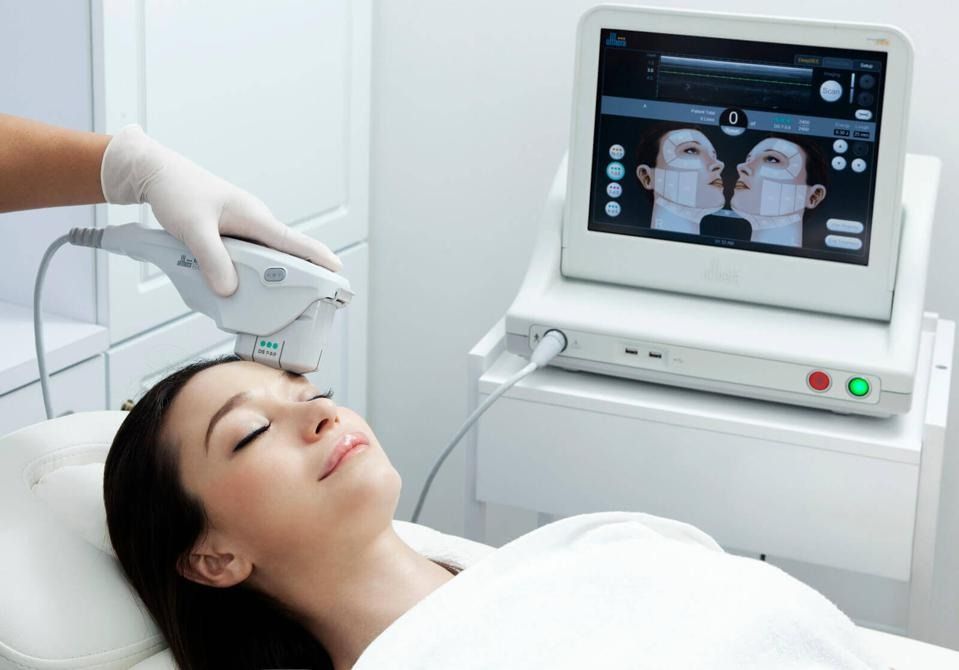
Ultrasound-based treatments (such as Ultherapy). These deliver focused energy beneath the skin’s surface to encourage natural collagen regeneration, often described by patients as a mild warming sensation with little to no downtime.
-
Laser resurfacing. Targets both texture and firmness by prompting the skin’s natural repair and collagen-building response.
-
Microneedling (with or without radiofrequency). Creates microscopic channels in the skin to trigger a natural healing response that includes new collagen formation.
It’s worth setting realistic expectations here: these treatments genuinely can improve mild to moderate skin laxity and texture, but for skin that has been significantly stretched — such as after major weight loss — collagen stimulation alone typically can’t remove excess hanging skin the way surgery can. A consultation with a dermatologist or qualified provider is the best way to understand which category your skin falls into and what kind of results are realistically achievable.
Setting Realistic Expectations
This is the part most quick-fix marketing skips over, and it’s worth saying plainly: no cream, exercise routine, or non-surgical treatment can fully replicate what surgery does for significantly excess or stretched skin. What non-surgical approaches can do is meaningfully improve mild to moderate looseness, texture, and overall skin tone, often enough to make a real difference in day-to-day confidence.
If you’ve tried lifestyle and skincare approaches and are still unhappy with the appearance of your underarm skin, a conversation with a board-certified dermatologist or plastic surgeon can help clarify whether an in-office treatment — or, in more significant cases, a surgical option like an arm lift — makes sense for your specific situation. There’s no need to guess; a proper evaluation takes the guesswork out of the equation.
The Bottom Line
Loose underarm skin is common, normal, and — for most people — genuinely improvable without surgery. Building triceps strength, using proven skincare ingredients consistently, supporting your skin through nutrition, and considering non-invasive in-office treatments for more visible results together offer a realistic path toward firmer, more confident-feeling arms. The key is consistency and realistic expectations rather than chasing a single miracle fix.
This article is for general informational purposes only and is not a substitute for professional medical or dermatological advice. Individual results vary based on skin type, age, and underlying causes of skin laxity. Consult a licensed dermatologist or healthcare provider before starting any new skincare regimen or cosmetic treatment.