
Indian Pacific Rail Journey: Transcontinental Train Travel, Sleeper Cabins and Australian Cross-Country Experience
The Indian Pacific rail journey provides a long-distance transcontinental train travel experience across Australia between Sydney and Perth. This multi-day rail route may include sleeper cabin accommodation, onboard dining, lounge access, guided stopovers, and scenic observation through mountain regions, inland towns, desert landscapes, and the Nullarbor Plain. Understanding cabin categories, travel duration, onboard facilities, excursion programs, and route highlights helps travelers prepare for one of Australia’s most recognized rail journeys.
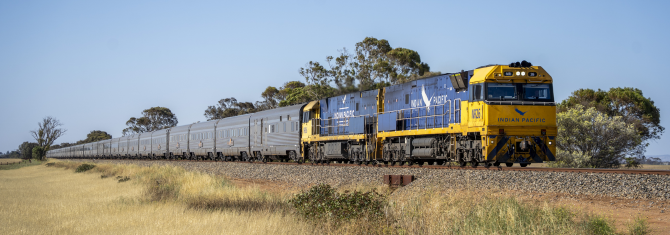
Overview of the Indian Pacific Rail Journey
The Indian Pacific rail journey is one of Australia’s major long-distance train experiences, connecting Sydney on the east coast with Perth in Western Australia. The route stretches across the continent and combines overnight rail accommodation, onboard facilities, guided stopovers, and scenic travel through multiple Australian regions.
Meaning Behind the Indian Pacific Name
The journey takes its name from the two oceans connected by the route:
-
The Pacific Ocean near Sydney
-
The Indian Ocean near Perth
The rail line creates a continuous transcontinental connection between eastern and western Australia.
Distance and Journey Duration
The Indian Pacific journey covers approximately 4,300 kilometers across Australia. The complete route generally operates over several days, allowing travelers to experience changing landscapes and regional environments throughout the journey.
Australian States Crossed During the Journey
Passengers traveling on the Indian Pacific commonly move through:
-
New South Wales
-
South Australia
-
Western Australia
The train crosses urban areas, inland agricultural regions, remote desert environments, and coastal western landscapes.
Departure From Sydney
The eastern section of the route begins in Sydney before the train travels west through the Blue Mountains and inland New South Wales regions.
Blue Mountains and Early Scenic Sections
During the early stages of the journey, travelers may observe:
-
Mountain valleys
-
Escarpments
-
Forested areas
-
Regional towns
-
Inland river systems
The transition from coastal city landscapes to inland Australia becomes visible shortly after departure.
Long-Distance Sleeper Cabin Accommodation
The Indian Pacific commonly includes overnight sleeper accommodation categories such as:
-
Gold Service cabins
-
Platinum Service cabins
-
Twin sleeper compartments
-
Premium suite-style accommodation
Different cabin categories provide different levels of onboard space and facilities.
Day and Night Cabin Configurations
Cabins are generally arranged for daytime seating before being converted into sleeping areas during overnight travel segments.
Gold Service Cabin Features
Gold Service cabins commonly include:
-
Sleeper berths
-
Compact seating areas
-
Climate control systems
-
Storage compartments
-
Access to dining facilities
-
Shared or private bathroom arrangements depending on category
These cabins are designed for extended cross-country rail travel.
Platinum Service Accommodation
Platinum Service accommodation generally provides:
-
Larger cabin layouts
-
Expanded seating areas
-
Additional onboard space
-
Premium dining access
-
Enhanced travel comfort features
Premium categories focus on greater onboard privacy and comfort during the journey.
Onboard Dining Experiences
Dining forms a major part of the Indian Pacific travel experience. Passengers commonly access:
-
Restaurant-style dining carriages
-
Lounge service areas
-
Scheduled meal periods
-
Regional-inspired menu selections
Meals are served throughout different stages of the route.
Shared Lounge and Relaxation Areas
The train includes lounge spaces where passengers may:
-
Observe scenery
-
Relax during travel periods
-
Socialize with fellow travelers
-
Access refreshments
Shared passenger spaces support movement and interaction during extended rail travel.
Scenic Landscape Changes Across Australia
One of the defining features of the Indian Pacific is the gradual change in scenery across the continent. Travelers may observe:
-
Mountain landscapes
-
Agricultural regions
-
Semi-arid inland environments
-
Desert plains
-
Remote outback areas
-
Western Australian terrain
The landscape transitions become more noticeable as the train moves westward.
Broken Hill Stopovers
Broken Hill is one of the major regional stops along the route. This historic inland mining city is known for:
-
Mining heritage
-
Outback environments
-
Historical architecture
-
Regional art and culture
Some itineraries include guided exploration during stopovers.
Adelaide as a Major Rail Hub
Adelaide functions as a major midpoint along the Indian Pacific route. Passengers may spend time in the city before continuing west toward the Nullarbor region.
Crossing the Nullarbor Plain
The Nullarbor Plain is one of the most recognized sections of the journey. This region features:
-
Vast open plains
-
Remote desert scenery
-
Sparse vegetation
-
Long uninterrupted rail sections
The crossing provides one of the journey’s most distinctive outback experiences.
Long Straight Railway Section
The Indian Pacific route includes one of the world’s longest straight stretches of railway track. This section extends across remote inland Australia and is frequently highlighted as a notable feature of the route.
Remote Outback Travel Experience
Large portions of the journey pass through isolated inland areas with minimal urban development. Travelers often experience long periods of uninterrupted landscape viewing during these sections.
Arrival Into Western Australia
As the train approaches Perth, passengers begin observing changing scenery including:
-
Agricultural regions
-
Expanding vegetation
-
Western Australian landscapes
-
More populated areas near the coast
The environmental transition becomes visible during the final stage of the route.
Perth as the Western Terminus
Perth serves as the western destination of the Indian Pacific journey. Travelers arriving in Perth may continue exploring:
-
Western Australian coastal regions
-
Urban sightseeing areas
-
Nearby tourism destinations
-
Regional travel connections
Many travelers extend their trip within Western Australia after arrival.
Guided Excursions and Off-Train Experiences
Some Indian Pacific itineraries include organized excursions during selected stopovers. Activities may include:
-
Regional sightseeing
-
Historical tours
-
Cultural experiences
-
Scenic observation programs
-
Outback exploration activities
Excursions vary depending on itinerary and seasonal scheduling.
Passenger Experience During Overnight Rail Travel
Overnight sleeper accommodation allows travelers to continue moving across Australia while resting onboard. Cabin attendants commonly assist with evening cabin setup arrangements.
Seasonal Conditions Along the Route
The journey crosses multiple climate zones and environmental regions. Travelers may experience:
-
Cooler southern conditions
-
Inland heat
-
Desert climates
-
Seasonal weather variations
-
Changing daylight conditions
Seasonal differences may influence scenery and travel comfort.
Photography and Scenic Viewing Opportunities
Passengers commonly photograph:
-
Desert landscapes
-
Mountain regions
-
Sunrise and sunset scenery
-
Outback rail crossings
-
Remote inland environments
Large windows throughout the train support scenic observation during the journey.
Social Atmosphere During the Journey
Long-distance rail travel often creates opportunities for interaction during:
-
Dining periods
-
Lounge access
-
Excursion activities
-
Scenic observation times
The slower travel pace encourages a relaxed onboard atmosphere.
Rail Travel Compared With Flights
Flights between Sydney and Perth provide significantly faster transportation, while the Indian Pacific focuses on:
-
Scenic cross-country exploration
-
Overnight sleeper travel
-
Organized stopovers
-
Extended onboard experiences
-
Gradual environmental transitions
Many travelers choose the train specifically for the overland experience itself.
Organized Rail Tour Packages
Some travel itineraries combine the Indian Pacific with:
-
Hotel accommodation
-
Guided touring programs
-
Additional rail connections
-
Regional sightseeing
-
Multi-city Australian travel experiences
Structured packages can simplify extended travel planning.
Advantages of Long-Distance Rail Journeys
Rail travel offers several features valued by travelers including:
-
Continuous landscape viewing
-
Overnight onboard accommodation
-
Ability to move around during travel
-
Reduced airport procedures
-
Access to remote inland regions
The journey itself becomes a significant part of the overall travel experience.
Preparing for the Indian Pacific Journey
Travelers commonly prepare by:
-
Packing comfortable travel clothing
-
Reviewing cabin arrangements
-
Planning luggage needs
-
Understanding stopover schedules
-
Preparing for multiple climate conditions
Preparation may improve comfort during extended rail travel.
Why Travelers Choose the Indian Pacific Rail Journey
Travelers commonly select this journey because it combines:
-
Cross-country Australian rail travel
-
Overnight sleeper accommodation
-
Outback and desert scenery
-
Organized stopovers
-
Multi-day onboard experiences
The route provides a distinctive way to experience Australia’s inland landscapes.
Importance of Understanding Cabin and Tour Inclusions
Reviewing travel details before departure helps travelers understand:
-
Cabin features
-
Dining arrangements
-
Excursion schedules
-
Lounge access
-
Luggage guidelines
Different travel categories provide different onboard experiences.
What Makes the Indian Pacific Distinct
The Indian Pacific stands out because it crosses the Australian continent through multiple landscapes and climate zones while combining long-distance rail travel with scenic observation and organized travel experiences. The journey connects major coastal cities through remote inland Australia in one continuous transcontinental route.
Overall, the Indian Pacific rail journey provides a multi-day Australian train experience with sleeper cabins, onboard dining, guided stopovers, and scenic travel across the continent. The combination of mountain regions, outback landscapes, and cross-country exploration continues to make the Indian Pacific one of Australia’s most recognized rail journeys.