
How to Turn Unsold Restaurant Furniture into Profit: Strategies for 2026
Unsold restaurant furniture can create significant challenges for owners, impacting cash flow and operational efficiency. As trends and consumer demands shift, many establishments find themselves with excess or outdated furnishings that occupy valuable space. To effectively manage unsold restaurant furniture, implementing strategies such as liquidation sales, online marketplaces, and local auctions can help clear inventory and recover investments. By focusing on these solutions, restaurant owners can seamlessly transition to newer, more appealing furnishings that enhance the dining experience and attract patrons.
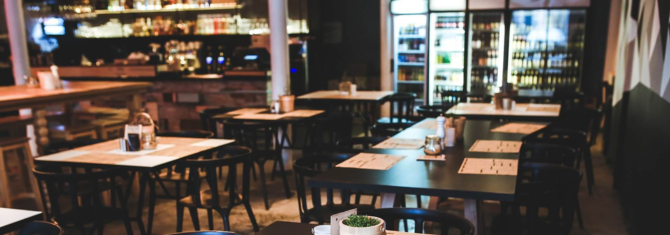
Understanding Unsold Restaurant Furniture
Unsold restaurant furniture presents both a challenge and an opportunity within the hospitality industry. As dining trends evolve and businesses adapt to changing customer preferences, many restaurants end up with surplus or outdated furnishings that no longer fit their concept or layout.
Why Furniture Remains Unsold:
This situation can arise for several reasons, including restaurant closures, renovations, rebranding efforts, or shifts in interior design trends. Seasonal demand changes and overstock from suppliers can also contribute to excess inventory.
Impact on Restaurant Owners:
Holding onto unused furniture can take up valuable storage space and tie up capital. As a result, owners often look for ways to liquidate these assets quickly to recover part of their investment and make room for new equipment or updated décor.
Resale and Clearance Opportunities:
Unsold restaurant furniture is often sold through clearance sales, liquidation events, or second-hand marketplaces. Buyers can find items such as tables, chairs, bar stools, and fixtures at significantly reduced prices.
The Impact of Unsold Furniture on Businesses
Unsold restaurant furniture can have a significant effect on a business’s financial health and day-to-day operations. While items like discount chairs and dining tables may still hold value, keeping them unused can create several challenges.
Strain on Cash Flow:
When money is tied up in unsold inventory, it limits the ability of business owners to reinvest in other areas. This can slow down growth, delay upgrades, or restrict spending on marketing and customer experience improvements.
Loss of Valuable Space:
Excess furniture occupies storage or operational space that could otherwise be used more efficiently. This can impact workflow, reduce seating optimization, or increase storage costs.
Missed Opportunities for Upgrades:
Holding onto outdated or unsold furniture may prevent restaurants from adopting newer, trendier designs that better align with current customer preferences. This can affect the overall appeal and competitiveness of the business.
Operational Inefficiencies:
Managing surplus inventory adds complexity to operations, from organization to maintenance. It can also lead to cluttered environments that are less functional for staff and customers.
Potential Depreciation:
Over time, furniture may lose value due to wear, changing trends, or market demand. Delaying its sale can reduce the chances of recovering a reasonable portion of the initial investment.
Strategies for Managing Unsold Restaurant Furniture
One effective strategy is to consider restaurant furniture liquidation. This process involves selling off excess furniture at discounted prices to quickly clear inventory. Liquidation sales can attract bargain hunters looking for used restaurant furnishings, creating a win-win scenario for both buyers and sellers.
Options for Selling Unsold Furniture
-
Online Marketplaces: Websites like eBay and Craigslist allow restaurant owners to sell directly to consumers.
-
Wholesale Restaurant Seating: Partnering with wholesalers can help clear out large quantities of unsold inventory.
-
Local Auctions: Hosting or participating in auctions can generate interest in unsold items.
-
Discount Restaurant Chairs and Affordable Dining Tables Offers: Crafting attractive deals can entice buyers.
Marketing Your Unsold Restaurant Furniture
To effectively sell unsold restaurant furniture, it’s essential to create compelling marketing strategies. Leverage social media platforms to showcase available items and offer special promotions. Additionally, creating a dedicated sale section on your restaurant’s website can help attract local customers. Describe promotions clearly and avoid urgent sales-bait phrasing (e.g., “Only today”, “Limited time offer”).
Conclusion
Dealing with unsold restaurant furniture doesn’t have to be a daunting task. By exploring various sales avenues, leveraging liquidation options, and implementing effective marketing strategies, restaurant owners can minimize losses and make way for new furnishings. Restaurants that navigate these challenges successfully can maintain a fresh and appealing atmosphere for their diners.