
How to Select the Best Used Engines
A used engine can provide a cost-effective solution for vehicle repairs while maintaining reliable performance. Understanding the key factors in selecting a pre-owned engine helps ensure a worthwhile investment and reduces the risk of mechanical issues. This guide examines essential considerations, verification methods, and market insights for purchasing used engines.
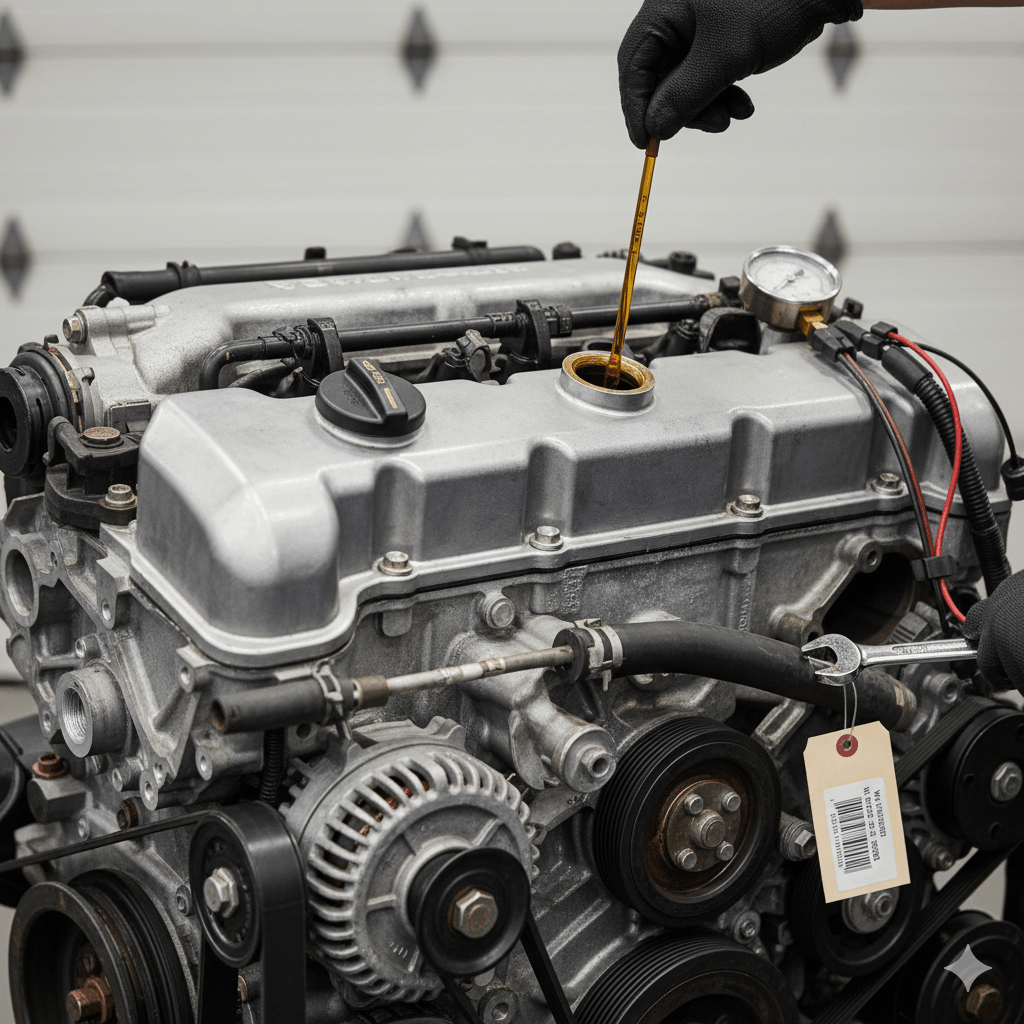
Buying a used engine is a significant investment that can extend the life of your vehicle by a decade or more if done correctly. However, the difference between a “bargain” and a “money pit” often comes down to the details of the inspection and the reliability of the source.
Here is an expanded guide on what defines a high-quality used engine and how to navigate the current market.
1. Redefining “Low Mileage” for the Modern Era
In 2026, the definition of “high mileage” has shifted. Due to advancements in synthetic oil and metallurgy, engines are more durable than ever.
-
The 40k–80k “Sweet Spot”: This range is ideal. The engine has passed its “break-in” period where factory defects usually appear, but it hasn’t yet reached the age where rubber seals and timing components typically degrade.
-
The “Age vs. Mileage” Paradox: An engine with only 10,000 miles that has sat in a salvage yard for three years may actually be in worse shape than a 60,000-mile engine that was driven daily. Engines that sit unused are prone to internal corrosion and dried-out gaskets.
-
Operating Conditions: Seek engines from “highway” vehicles. Consistent speeds and temperatures are much gentler than the constant “cold starts” and idling of city driving or delivery vehicles.
2. Advanced Professional Inspection Techniques
If you want to move beyond a basic visual check, use these diagnostic tools to see inside the metal:
-
Borescope Inspection: Feed a tiny camera through the spark plug holes. You are looking for “cross-hatching” on the cylinder walls. If the walls are mirrored or have vertical scratches (scoring), the engine has suffered from overheating or poor lubrication.
-
Leak-Down Testing: While a compression test tells you if there is a leak, a leak-down test tells you where it is. By listening for air escaping through the intake (intake valve issue), exhaust (exhaust valve issue), or oil cap (piston ring issue), you can pinpoint exactly what needs repair.
-
Oil Analysis: If the engine still has oil, take a small sample and send it to a lab (like Blackstone Labs). They can detect microscopic traces of copper or lead, which indicate that the main bearings are about to fail—a “silent killer” of used engines.
3. Navigating the Three Tiers of Engines
Not all “non-new” engines are the same. Understanding these categories is vital for your budget:
|
Tier |
Definition |
Best For |
Warranty |
|---|---|---|---|
|
Used (Salvage) |
Pulled directly from a donor car; mostly “as-is.” |
Budget-conscious or older cars. |
30–90 Days (Parts only) |
|
Rebuilt |
Disassembled; worn parts replaced; reassembled. |
Mid-range cars; balanced risk. |
6–12 Months |
|
Remanufactured |
Machined back to factory blueprints; all new internals. |
Long-term keepers; heavy-duty use. |
3 Years / Unlimited Miles |
4. Avoiding the “Hidden” Compatibility Traps
A common mistake is assuming that any engine of the same size (e.g., “a 2.0L Ford engine”) will fit.
-
The VIN 8th Digit: This is the universal “engine code.” Ensure the donor vehicle’s 8th VIN digit matches yours exactly.
-
Emission Standards: In many regions (like CA or NY), you cannot legally install an engine that is older than the car it’s going into, or one that has a lower emissions rating (e.g., putting a Federal-spec engine into a California-spec car).
-
Computer (ECU) Handshakes: Modern engines are married to their computers. If you change the engine but keep your old computer, you may need a “reflash” from a dealership to prevent a permanent Check Engine Light.
5. Calculating the “Total Cost of Ownership”
The sticker price of the engine is often only 50% of the final bill. Here is a realistic 2026 breakdown for a standard 4-cylinder swap:
-
Engine Purchase: $1,200
-
Shipping & Crating: $350
-
Professional Installation Labor: $1,500 – $2,500
-
The “Baseline” Refresh: $400 (New spark plugs, water pump, thermostat, belts, and fresh fluids). Never skip this—it’s five times more expensive to change these parts once the engine is in the car.
-
Core Deposit: $500 (Usually refunded once you ship your old engine back).
6. Where to Buy (and Who to Avoid)
-
Reputable: Look for members of the Automotive Recyclers Association (ARA). They follow standardized grading (Grade A, B, or C) for their parts.
-
The “Video Proof” Standard: In 2026, any high-quality seller should be able to provide a video of the engine running in the donor car or a video of the compression test results being performed.
-
Red Flags: Avoid sellers who refuse to provide the donor car’s VIN, those who only accept “non-protected” payments like wire transfers or Zelle, and any listing that says “runs great” but is covered in thick, fresh spray-paint (often used to hide oil leaks).