Guide To What To Know About European cities to visit
Europe offers an unusually wide range of city experiences within a relatively small geographic area, from grand historic capitals to smaller cities known for art, food, or scenery. With so many options, narrowing down European cities to visit often comes down to matching a destination’s character to your own interests, available time, and travel style. This guide introduces several well-known European travel destinations, organized by what they tend to be known for, along with practical planning considerations to help you compare options.
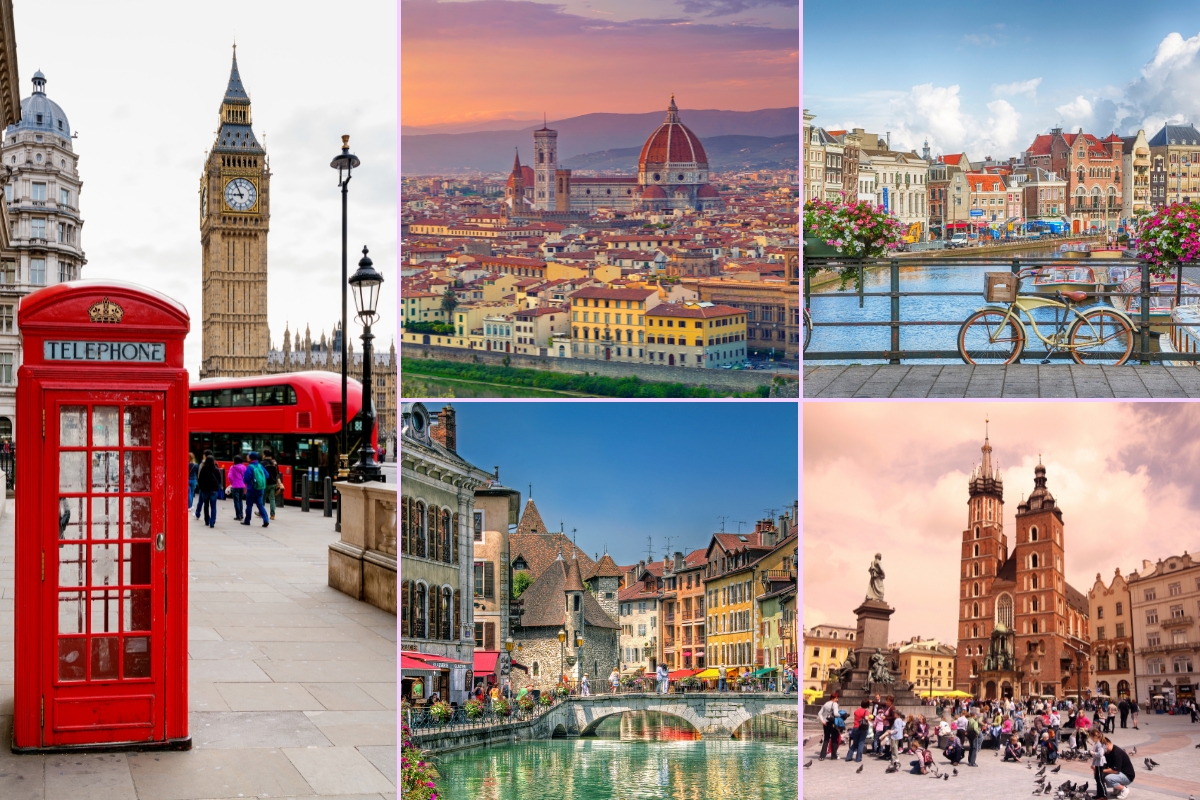
How To Choose European Cities To Visit
Rather than searching for a single “best” city, it helps to think about what kind of experience you want. Some travelers are drawn to historic architecture and museums, others to food and local markets, and others to coastal scenery or outdoor activity. Trip length, budget, walking tolerance, and season also shape which cities in Europe for travelers make sense for a given trip. The sections below group several cities by general interest area, though many of these destinations offer overlapping experiences.
European Cities Known For History And Architecture
Rome, Italy is known for ancient sites such as the Colosseum and Roman Forum, alongside Renaissance and Baroque architecture throughout the historic center. Walking is a major part of exploring Rome, and many popular sites involve significant time on foot or standing in lines, so comfortable footwear and advance reservations for major attractions are worth planning for. A stay of three to four days allows time to see key historic sites without excessive rushing.
Prague, Czech Republic offers a well-preserved medieval old town, Prague Castle, and a mix of Gothic and Baroque architecture. The city is generally walkable, with public transportation available for longer distances. Prague uses the Czech koruna rather than the euro, which is worth noting for currency planning. Two to three days is often enough to see the main historic core, though additional time allows for a slower pace.
Vienna, Austria is known for imperial architecture, including palaces and grand boulevards, along with a strong classical music tradition. Public transportation is extensive and considered reliable, making the city manageable for visitors who prefer not to rely heavily on walking alone. Vienna tends to suit travelers interested in a more measured, cultural pace over a few days.
European Cities For Art And Culture
Paris, France is closely associated with major museums such as the Louvre and Musée d’Orsay, along with landmark architecture like the Eiffel Tower and Notre-Dame. Museum reservations are often necessary in advance, particularly during peak travel seasons, and the city can involve considerable walking or use of the metro system between neighborhoods. A stay of four to five days allows time for major sights without an overly packed schedule.
Florence, Italy is centered around Renaissance art and architecture, including the Uffizi Gallery and Florence Cathedral. The historic center is compact and walkable, though popular sites can be crowded, especially in warmer months, making advance tickets useful. Two to three days is often sufficient for Florence’s core historic area, with additional time if day trips into the surrounding Tuscany region are planned.
Budapest, Hungary combines architectural landmarks, thermal bath culture, and a distinct local history reflected in its museums and monuments. The city is divided by the Danube River into Buda and Pest, with public transportation connecting both sides. Budapest uses the Hungarian forint rather than the euro. Two to three days allows time to explore both sides of the city at a comfortable pace.
European Cities For Food And Local Experiences
Lisbon, Portugal is known for its coastal setting, traditional Portuguese cuisine, and a mix of historic neighborhoods with steep, hilly streets. Walking in Lisbon can be physically demanding due to hills and cobblestones, and comfortable footwear is generally recommended. Three to four days allows time to explore several neighborhoods and take in the city’s food and local markets.
Barcelona, Spain offers a mix of Gothic and modernist architecture, including Antoni Gaudí’s works, along with a strong food culture centered around tapas and local markets. The city has an extensive metro system, and many attractions require advance booking, particularly during busy seasons. Three to four days is a common length for exploring the main sights and neighborhoods.
European Cities For Scenic And Outdoor Experiences
Athens, Greece combines ancient historic sites, such as the Acropolis, with a coastal Mediterranean setting and nearby island access. Warmer months bring higher visitor numbers and heat, which can affect comfort during extensive walking. Three to four days is generally enough for the city’s core historic sites, with more time needed if island travel is included.
Amsterdam, Netherlands is known for its canal network, museums, and a generally flat, bicycle-friendly layout that makes walking and cycling practical ways to explore. The city tends to suit travelers interested in a mix of culture and outdoor canal-side scenery. Two to three days allows time to see the central canal districts and major museums.
Planning A Multi City European Trip
Combining several European destinations into one trip is common, but travel time between cities, transportation costs, and each city’s ideal trip length should factor into the overall itinerary. Trains connect many Western and Central European cities efficiently, while budget flights are often used for longer distances or between countries with less direct rail service. Building in buffer time between cities can reduce the stress of tight connections.
Transportation Between European Cities
Options generally include rail, budget airlines, and long-distance buses, with rail travel especially common between neighboring countries in Western and Central Europe. Within cities, public transportation such as metros, trams, and buses is widely available, though systems and ticketing differ from city to city. Researching local transit options and any applicable travel passes in advance can simplify daily movement.
What To Consider Before Traveling
Travel document requirements vary by nationality and destination, so checking current entry requirements with official government sources is essential. Accommodation location relative to public transit and major sights affects daily walking distances. Weather varies significantly by season and region, and seasonal crowds can affect both attraction wait times and accommodation availability. Currency differs across the region — many countries use the euro, though others, such as the Czech Republic and Hungary, use their own currencies. Language differences are common, though English is widely spoken in tourist areas of most major cities. Travel insurance is worth reviewing for trip interruption and medical coverage.
Frequently Asked Questions
Which European city is best for a first-time visitor? This depends on personal interests; cities vary widely in pace, walkability, and focus, so there is no single answer that suits every traveler.
How many cities should I include in one trip? This depends on available time and travel style; allowing at least two to three days per city generally provides a more comfortable pace than very short stops.
Do I need advance reservations for major attractions? Many popular museums and landmarks require or strongly recommend advance booking, particularly during peak season, so checking each attraction’s current policy ahead of time is advisable.
Conclusion
Europe offers a wide range of city experiences, from historic and architectural destinations like Rome and Prague to art-focused cities like Paris and Florence, food-oriented destinations like Lisbon and Barcelona, and scenic cities like Athens and Amsterdam. Rather than searching for one universally “best” option, comparing cities based on your own interests, available time, and travel pace can help you build an itinerary suited to your preferences. Before finalizing any travel plans, verify current entry requirements, transportation schedules, attraction information, and local travel conditions through official and up-to-date sources.