Guide to Know About Non Surgical Ways to Improve Underarm Skin
Discover non-surgical options for addressing loose underarm skin and upper arm firmness. Learn how aging, weight changes, and collagen decline affect skin elasticity, explore targeted strength-training exercises, evaluate skincare ingredients, and compare energy-based treatments like radiofrequency and ultrasound therapy to determine the right approach for your cosmetic goals.
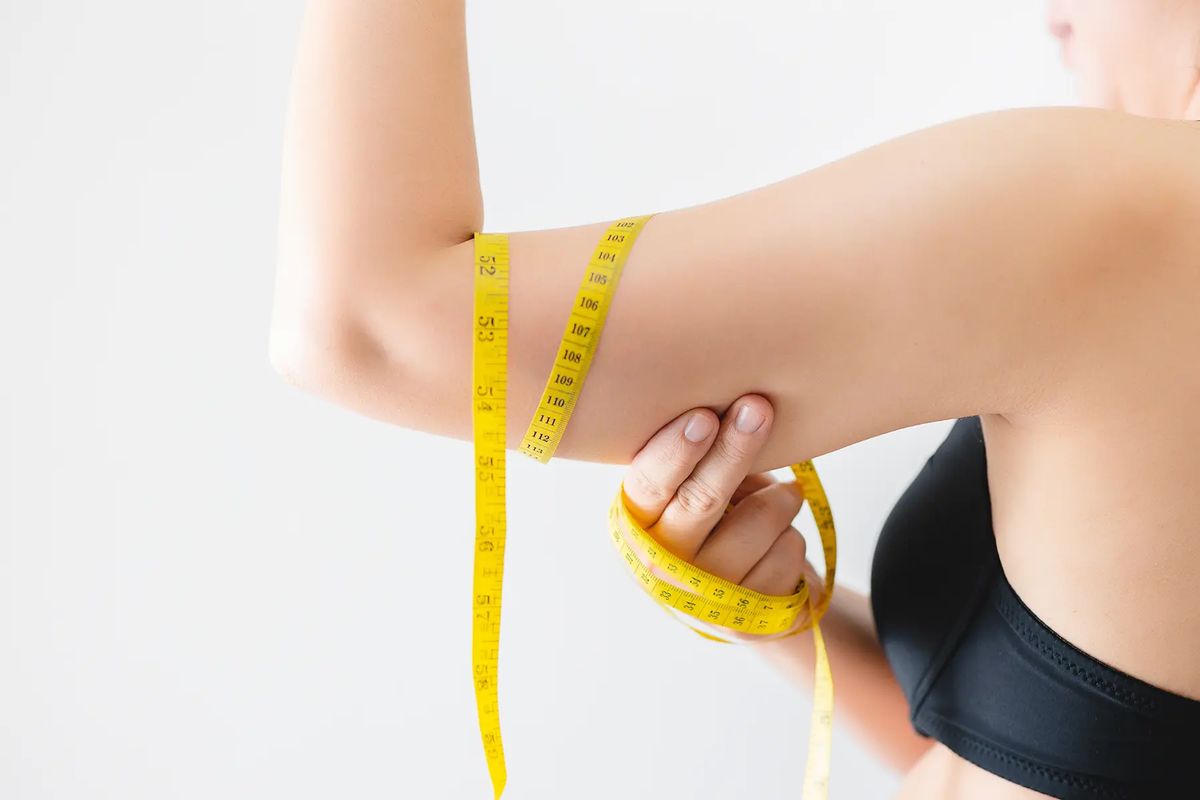
What to Know About Non-Surgical Approaches for Loose Underarm Skin
The skin under and around the upper arms is naturally thin and delicate. Over time, many individuals notice that this area begins to lose firmness or appear slack. While surgical options like brachioplasty (an arm lift) exist, many people prefer to explore non-surgical strategies first.
Understanding why skin loses elasticity, how targeted exercise impacts arm contours, and what modern aesthetic technologies can realistically achieve helps you set manageable expectations and build an effective, comprehensive care routine.
1. Why Underarm and Upper Arm Skin Appears Loose
Skin firmness relies primarily on two structural proteins in the dermis: collagen, which provides structural support, and elastin, which enables skin to snap back after stretching. Several factors cause these proteins to degrade over time:
-
Natural Aging: Body collagen production declines steadily starting in early adulthood, leading to thinner, less elastic dermal layers.
-
Significant Weight Fluctuations: When body volume expands, skin stretches over time. Rapid or substantial weight loss can leave the skin stretched beyond its natural ability to contract.
-
Sun Exposure (Photoaging): Ultraviolet (UV) radiation damages dermal elastin fibers and accelerates collagen breakdown.
-
Hormonal Changes: Shifts in estrogen levels during menopause contribute to decreased skin thickness and reduced lipid production in the cutaneous layer.
2. Lifestyle Factors and Daily Skincare Considerations
While topicals and lifestyle habits cannot fully reverse severe structural skin laxity, they play an essential role in maintaining overall skin health and surface texture.
Hydration and Nutrition
-
Balanced Protein Intake: Dietary amino acids serve as the building blocks for collagen synthesis and muscle maintenance.
-
Micronutrients & Antioxidants: Vitamin C supports natural collagen formation, while antioxidants help protect skin cells from oxidative stress caused by free radicals.
-
Consistent Internal Hydration: Drinking adequate water helps maintain skin plumpness and supports cellular metabolism.
Topical Skincare Practices
-
Moisturizers & Barrier Support: Applying creams containing hyaluronic acid, ceramides, or glycerin improves surface hydration, temporary firmness, and skin barrier function.
-
Targeted Actives: Formulas containing retinoids (which encourage cellular turnover and collagen support) or peptide complexes can improve general skin texture over multi-month usage cycles.
-
Daily Sun Protection: Applying broad-spectrum sunscreen to exposed arms prevents UV-induced elastin breakdown.
3. Targeted Strength Training to Support Arm Contours
Although targeted exercise cannot directly tighten loose dermal tissue, building the muscles underneath the skin creates a firmer, fuller foundation. Increasing muscular volume in the triceps and shoulders fills out the upper arm, creating a more toned visual silhouette.
+--------------------+--------------------------------+-------------------------------------+
| Target Muscle      | Key Exercise Examples          | Anatomical Benefit                  |
+--------------------+--------------------------------+-------------------------------------+
| Triceps (Back Arm) | Dips, Kickbacks, Rope Pushdowns| Adds volume directly behind the arm |
| Biceps (Front Arm) | Hammer Curls, Barbell Curls    | Balances front-arm symmetry         |
| Deltoids (Shoulder)| Lateral Raises, Overhead Press | Elevates overall upper-arm structure|
+--------------------+--------------------------------+-------------------------------------+
-
Triceps Kickbacks & Extensions: Focus on controlled movements targeting all three heads of the triceps muscle group.
-
Bench or Chair Dips: Bodyweight exercises that engage the triceps and upper chest muscles.
-
Progressive Overload: Gradually increasing resistance over time encourages muscle growth (hypertrophy), providing structural underlying support beneath loose skin.
4. Professional Non-Surgical Energy-Based Options
For individuals seeking mild to moderate skin contraction without surgery, clinical aesthetic technologies offer non-invasive alternatives. These devices work by delivering controlled heat energy deep into the dermal tissue to trigger a healing response that stimulates new collagen creation (neocollagenesis).
Common Non-Invasive Technologies
-
Radiofrequency (RF) Therapy:
-
How It Works: Uses electrical RF energy to heat the deep dermal layers while protecting the outer epidermis.
-
Popular Platforms: Thermage, Exilis, InMode Formav.
-
Purpose: Smoothes fine wrinkling and promotes gradual tissue contraction over a series of treatments.
-
-
Micro-Focused Ultrasound (Ultherapy / Sofwave):
-
How It Works: Delivers targeted acoustic ultrasound energy to precise depths (including the SMAS layer beneath the skin) to create thermal coagulation points.
-
Purpose: Lifts and tightens mild skin slackness by initiating a multi-month collagen rebuilding response.
-
-
RF Microneedling:
-
How It Works: Combines physical microneedles with radiofrequency heat energy delivered directly inside the dermis.
-
Popular Platforms: Morpheus8, Secret RF, Vivace.
-
Purpose: Addresses both surface texture irregularities and deeper skin laxity.
-
5. Realistic Expectations and Individual Variation
When evaluating non-surgical treatments, setting grounded expectations is essential for customer satisfaction:
-
Degree of Improvement: Non-surgical energy devices typically achieve mild to moderate tightening (often a 10% to 25% visual improvement). They cannot duplicate the dramatic skin-removal outcomes of surgical procedures.
-
Timeframe for Results: Collagen remodeling is a slow biological process. Initial changes may appear after 4 to 6 weeks, with peak results typically visible 3 to 6 months after treatment completion.
-
Number of Sessions: While some high-intensity ultrasound procedures require a single session, most radiofrequency technologies require a series of 3 to 6 treatments spaced several weeks apart.
-
Maintenance: Results are not permanent because natural aging continues. Periodic maintenance sessions (typically once every 12 to 18 months) are generally recommended.
6. Questions to Ask During Professional Consultations
If you decide to research professional aesthetic treatments, schedule a consultation with a board-certified dermatologist, plastic surgeon, or licensed aesthetic practitioner. Consider asking these questions:
-
Am I a suitable candidate for non-surgical tightening, or would my degree of skin laxity require surgical intervention to see a noticeable change?
-
Which specific technology (RF, Ultrasound, or hybrid) best matches my skin thickness and treatment goals?
-
How many treatment sessions will I need, and what is the expected total cost?
-
What are the potential side effects, downtime, or post-procedure recovery instructions?
-
Do you have before-and-after photographs of previous patients with a similar arm profile to mine?