Guide To Choosing Body Lotion For Crepey Aging Skin
Crepey skin is characterized by a thin, delicate, and finely wrinkled appearance that commonly develops as part of the natural aging process. Factors such as prolonged sun exposure, reduced collagen and elastin production, dehydration, and environmental influences can also contribute to changes in skin texture and elasticity. Although no body lotion can permanently reverse skin aging or restore lost collagen, regularly moisturizing the skin and choosing products with ingredients that support hydration, strengthen the skin barrier, and improve the appearance of dry skin may help the skin feel softer, smoother, and more comfortable. This informational guide explains common ingredients, skincare practices, and factors to consider when selecting a body lotion for crepey aging skin.
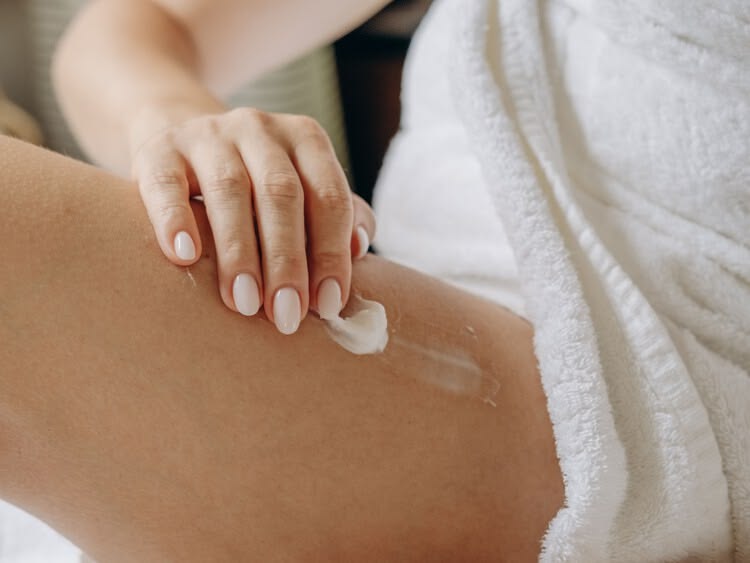
What To Look For In A Body Lotion
Choosing a body lotion for crepey aging skin involves more than selecting a product that simply moisturizes. The right lotion should contain ingredients that help improve hydration, support the skin’s natural moisture barrier, and reduce the appearance of dryness. While results vary from person to person, using a well-formulated lotion consistently may help the skin feel softer, smoother, and more comfortable over time.
When choosing a lotion, look for ingredients such as:
-
Hyaluronic acid
-
Ceramides
-
Glycerin
-
Shea butter
-
Urea
-
Peptides
-
Niacinamide
-
Vitamin E
-
Squalane
-
Natural moisturizing oils
These ingredients help attract and retain moisture while supporting the skin’s protective barrier and improving the appearance of dry, aging skin.
Ingredients That May Help
Certain skincare ingredients are commonly included in products formulated for dry and aging skin because they help support hydration, improve skin texture, and encourage healthy skin renewal. Although these ingredients cannot reverse the natural aging process, they may contribute to healthier-looking skin when incorporated into a consistent skincare routine.
Common ingredients include:
-
Retinol to support normal skin renewal
-
Alpha hydroxy acids (AHAs) for gentle exfoliation
-
Lactic acid for smoother-feeling skin
-
Collagen-supporting peptides
-
Antioxidants such as Vitamin C
-
Rich emollients that help reduce dryness
-
Ceramides to strengthen the skin barrier
-
Humectants that attract moisture to the skin
Some active ingredients may increase skin sensitivity. Following product directions and introducing new products gradually may help reduce irritation.
Daily Skincare Tips
A consistent skincare routine is one of the most effective ways to support healthy-looking skin. Daily moisturizing, gentle cleansing, and protecting the skin from environmental damage may help improve hydration and maintain smoother-looking skin over time.
Helpful skincare habits include:
-
Apply body lotion immediately after bathing
-
Use lukewarm rather than very hot water
-
Moisturize at least once or twice daily
-
Wear sunscreen on exposed skin
-
Drink enough water throughout the day
-
Avoid harsh soaps that may dry the skin
-
Wear protective clothing during prolonged sun exposure
-
Choose gentle, fragrance-free cleansers when appropriate
-
Maintain a balanced diet that supports overall skin health
Practicing these habits consistently may help improve the overall appearance, comfort, and hydration of aging skin.
When To Consider Professional Advice
If you notice persistent dryness, significant skin thinning, ongoing irritation, or changes that do not improve with regular skincare, it may be helpful to consult a qualified healthcare professional or dermatologist. They can evaluate your skin and recommend options based on your individual needs and medical history.
A healthcare professional may recommend:
-
Prescription topical treatments
-
Personalized skincare recommendations
-
Evaluation for underlying skin conditions
-
Professional guidance on suitable skincare ingredients
-
Additional treatment options when appropriate
-
Advice for managing chronic dry skin
Professional evaluation can help identify contributing factors and provide recommendations tailored to your skin’s condition.
Tips For Choosing A Lotion
With many products available, selecting a body lotion that matches your skin type and skincare goals can make it easier to maintain a consistent routine. Reading ingredient labels and understanding product formulations may help you compare different options more effectively.
Before choosing a lotion, consider:
-
Your skin type
-
Fragrance-free options for sensitive skin
-
Texture and absorption
-
Key moisturizing ingredients
-
Whether the lotion is intended for daily use
-
Products that support the skin barrier
-
Ease of regular application
-
Patch testing new products before routine use
Choosing a lotion that suits your skin’s needs can help support long-term hydration and improve the appearance of dry, crepey skin when used consistently.
A body lotion for crepey aging skin can help improve hydration, support the skin’s natural moisture barrier, and enhance the appearance of dry, fragile, and aging skin when used as part of a regular skincare routine. While topical products cannot permanently reverse age-related skin changes, selecting lotions with well-known moisturizing ingredients and maintaining healthy skincare habits may help the skin feel softer, smoother, and more comfortable over time. If you have ongoing concerns about skin texture, elasticity, or persistent dryness, consulting a qualified healthcare professional or dermatologist can help you better understand your options and develop an appropriate skincare plan.