
Fees, Warranties, and Add-Ons at Buy Here Pay Here UTVs
Buying a UTV through a buy here pay here dealership can look straightforward, but real costs often extend beyond the sticker price. Fees, warranties, and optional add-ons can change the total you pay and what protection you receive. Here is how these items work, how they compare with traditional dealerships, and what to check before you sign.
Buy here pay here UTV financing bundles the vehicle, the loan, and often the add-ons under one roof. This can be convenient for local services in your area, yet the structure of fees, warranties, and extras requires careful review. Understanding each line item helps you compare options, negotiate effectively, and avoid paying for coverage you do not need.
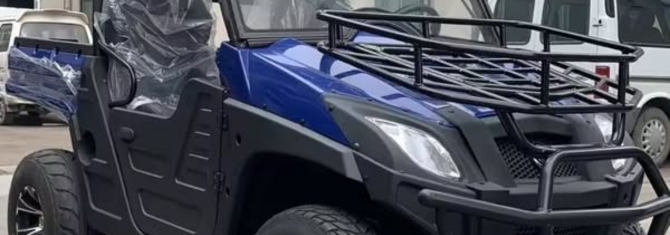
What are buy here pay here UTV dealerships?
Buy here pay here UTV dealerships finance purchases directly rather than relying on outside lenders. You make payments to the same place that sells the unit. This model can help buyers with thin or challenged credit histories, shorter time on the job, or no recent installment loans. In exchange, dealers usually set higher interest rates, tighter payment schedules, and more restrictive terms. Because the dealer holds the loan, missed payments can lead to quick repossession under the contract, so it is essential to read the agreement and understand late fees, grace periods, and any tracking device policies.
Prices vs traditional dealerships
When comparing how buy here pay here UTV prices stack up against traditional dealerships, look beyond the advertised unit price. Traditional dealers typically use third-party lenders, which may offer lower annual percentage rates to qualified buyers. Buy here pay here lots may list similar or slightly higher sticker prices, but the total cost of ownership can grow due to higher APRs, shorter terms, and more bundled fees. Also consider non-price factors like the dealership reconditioning process, included service checks, and whether a basic limited warranty is part of the deal or the vehicle is sold as is.
What to look for in a dealership
Focus on transparency and documentation. Ask for an out-the-door estimate that itemizes price, taxes, documentation fees, freight, setup, title and registration, and every add-on. Request written warranty terms that explain coverage start date, duration, deductible, transferability, and exclusions such as wear items or misuse. If an extended service plan is offered, get a specimen contract and confirm who administers claims, where repairs can be performed, and reimbursement timelines. Evaluate inventory quality by checking service records, tire condition, brake wear, and signs of frame damage or hard use. Reputable local services will provide vehicle history when available, allow independent inspections, and make it clear that add-ons are optional.
Negotiating better prices at BHPH UTV dealers
Separate the negotiation into parts. First, settle the UTV price before discussing financing. Use comparable listings and manufacturer suggested pricing for similar models and model years to anchor the discussion. Next, ask for multiple payment options at different terms to see the effect on total finance charges. Decline add-ons you do not want and request the same price with and without them to understand their actual cost. If possible, secure a prequalification from a credit union or bank to compare offers. Always ask for discounts on dealer-installed accessories, and verify whether freight and setup are negotiable. Request everything in writing and review quietly before signing.
Selection and pricing compared
Selection at buy here pay here UTV dealerships is often narrower than large franchise powersports stores. Inventory may skew toward used models with higher mileage or older model years, sometimes with popular accessories already installed. Prices can reflect reconditioning, shorter limited warranties, and the convenience of in-house financing. Traditional dealers may have wider choices, including new models, manufacturer incentives, and promotional financing for well-qualified buyers. If you want the lowest overall cost and can qualify elsewhere, a traditional route may be cheaper. If credit access and quick approval are priorities, a buy here pay here option may be workable provided you budget for fees and evaluate coverage carefully.
Real-world cost and warranty examples below illustrate typical ranges you might encounter. Estimates vary by region, model, and provider, and your final out-the-door total may differ.
|
Product/Service |
Provider |
Cost Estimation |
|---|---|---|
|
Extended service plan, 2–4 years |
Polaris Protection Plan |
799–1,499 USD |
|
Extended service plan, 1–4 years |
Yamaha YES |
500–1,100 USD |
|
Extended service plan, 1–4 years |
Kawasaki Protection Plus |
600–1,200 USD |
|
Tire and wheel protection |
RPM One |
200–600 USD |
|
GAP waiver or insurance |
Dealer or lender |
300–800 USD |
|
Destination or freight |
Manufacturer or dealer |
300–900 USD |
|
Setup or assembly |
Dealer service department |
200–600 USD |
|
Documentation or processing fee |
Dealer |
75–500 USD |
|
Title and registration |
State DMV |
20–200 USD |
|
Accessories and install, common kits |
Dealer parts and service |
400–2,000+ USD |
Prices, rates, or cost estimates mentioned in this article are based on the latest available information but may change over time. Independent research is advised before making financial decisions.
Fees, warranties, and add-ons explained
Fees typically fall into a few buckets. Government costs include tax, title, and registration. Dealer fees can include documentation, electronic filing, and sometimes a recon or inspection fee. Manufacturer-related charges may include freight and dealer setup. Warranties and add-ons are optional products, such as extended service plans, tire and wheel coverage, prepaid maintenance, and GAP. Each has value in specific situations, but you should confirm coverage limits, claims process, transfer rules, and cancellation and refund policies. The most reliable signal is clarity in writing and the ability to take copies home to review.
Practical budgeting tips
Create an all-in budget before you shop. Estimate the unit price, then add a conservative margin for freight, setup, documentation, government fees, and one or two add-ons you actually want. Compare the resulting out-the-door figure with monthly payments over the shortest term you can afford. Leave room for ongoing costs like insurance, safety gear, storage, and maintenance. If you are comparing local services in your area, request itemized quotes from more than one dealership on the same day to reduce timing differences and ensure a fair comparison.
Bottom line
Buy here pay here UTV dealerships can offer fast approvals and simple logistics, but the tradeoff is often higher financing costs and a stronger push for extras. By insisting on an itemized out-the-door quote, reading every warranty and add-on contract, and comparing offers against traditional dealerships, you can judge whether the convenience outweighs the added cost for your situation.