
Farm Equipment Auction: A Comprehensive Overview of Buying and Selling Agricultural Machinery at Auction Events
Farm equipment auctions have long played a vital role in the agricultural sector, providing a dynamic marketplace for the exchange of essential machinery and implements. These auctions offer farmers, ranchers, and agricultural businesses an opportunity to access a wide range of equipment, from tractors and combines to tillage tools and irrigation systems. The auction format brings together sellers looking to liquidate assets quickly and buyers seeking reliable equipment at transparent, competitive prices. Over the years, the farm equipment auction landscape has evolved, incorporating both traditional in-person events and modern online platforms, thereby expanding reach and accessibility for participants across the country.
Understanding the process and nuances of farm equipment auctions is crucial for both buyers and sellers. For buyers, auctions can be a practical way to acquire quality machinery, sometimes at lower costs than retail, while sellers benefit from the exposure to a broad audience and the potential for swift transactions. Auctions also foster a sense of community among agricultural professionals, who gather to exchange knowledge, network, and stay informed about industry trends. With the integration of technology, the auction experience has become more efficient and convenient, allowing for remote bidding and real-time updates.
This article delves into the world of farm equipment auctions, exploring how they function, the types of equipment commonly available, the advantages and challenges involved, and tips for navigating auctions successfully. Whether you are a seasoned agricultural professional or new to the industry, understanding the auction process can help you make informed decisions, maximize value, and contribute to the ongoing vitality of the agricultural marketplace.
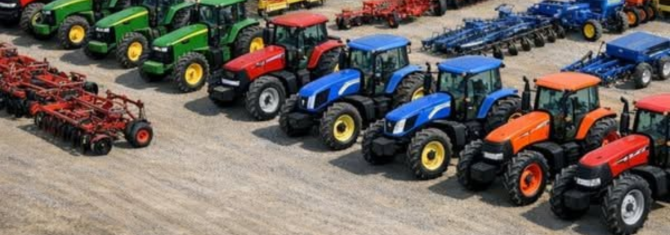
Understanding Farm Equipment Auctions
Farm equipment auctions are structured events where agricultural machinery and tools are sold to the highest bidder. These auctions serve as an important marketplace for farmers, contractors, and agricultural businesses looking to acquire equipment for their operations. The items available at such events often include used machinery, though in some cases newer or unused equipment may also be offered. This variety allows participants to explore a wide range of options that suit different operational needs.
These auctions are typically organized by professional auction companies or experienced local auctioneers who specialize in agricultural sales. Well-known organizations such as Ritchie Bros. Auctioneers, BigIron Auctions, and Sullivan Auctioneers play a significant role in hosting large-scale events. In addition to these established companies, many regional auctioneers also conduct farm equipment auctions, often focusing on local farming communities and their specific requirements.
Types of Farm Equipment Sold
-
Tractors (utility, row-crop, four-wheel drive)
-
Combines and harvesters
-
Planters and seeders
-
Tillage equipment (plows, cultivators, discs)
-
Sprayers and applicators
-
Balers and hay equipment
-
Utility vehicles and trailers
-
Grain handling and storage equipment
-
Livestock handling equipment
How the Auction Process Works
-
Announcement and Cataloging: Auction companies announce upcoming events and publish detailed catalogs listing available equipment, often with photos, specifications, and inspection reports.
-
Inspection Period: Prospective buyers can inspect the equipment in person or review detailed information and images online.
-
Bidding: On the auction day, bidding takes place either in person, online, or both. Bids are placed in real-time, and the highest bid at the close of each lot wins the item.
-
Payment and Pickup: Successful bidders complete payment and arrange for transportation or pickup of their purchased equipment.
Benefits of Farm Equipment Auctions
-
Transparency: Auctions provide a clear, open process where equipment is sold to the highest bidder.
-
Wide Selection: Buyers have access to a broad range of equipment types, brands, and models.
-
Efficient Transactions: Sellers can quickly liquidate assets, while buyers can acquire needed machinery without lengthy negotiations.
-
Market Value: Competitive bidding often results in fair market prices.
-
Networking: Auctions serve as gathering points for agricultural professionals to share insights and build relationships.
Challenges and Considerations
-
Equipment Condition: Used equipment may have varying levels of wear and maintenance history. Buyers should carefully inspect or review reports before bidding.
-
Buyer Fees: Some auctions charge buyer premiums or administrative fees, which should be factored into total costs.
-
Transportation: Arranging for equipment pickup or delivery can be complex, especially for large or heavy items.
-
Payment Terms: Auction houses may have specific payment deadlines and accepted methods.
Tips for Buyers and Sellers
-
Research equipment values and recent auction results to set realistic expectations.
-
Inspect equipment thoroughly or request detailed reports before bidding.
-
Understand all auction terms, including fees, payment deadlines, and pickup arrangements.
-
Register in advance for online auctions to avoid last-minute issues.
-
For sellers, provide accurate descriptions and maintenance records to attract more bidders.
Frequently Asked Questions
-
Can I participate in farm equipment auctions remotely? Yes, many auction companies offer online bidding platforms, allowing participation from anywhere with internet access.
-
Are there warranties on auctioned equipment? Most auctioned equipment is sold “as is,” so buyers should review all available information and inspect items when possible.
-
How do I transport purchased equipment? Buyers are typically responsible for arranging transportation. Auction companies may provide referrals to transport services.
-
What payment methods are accepted? Payment terms vary by auction company but commonly include wire transfers, certified checks, and sometimes credit cards for smaller purchases.
-