
Essential Guide to Covered Dentures for Seniors: Choosing the Right Option for Comfort and Care
Dentures play a vital role in maintaining oral health and quality of life for seniors who have experienced tooth loss. Understanding the various types of covered dentures, their costs, and available assistance programs can help make informed decisions about dental care. This comprehensive guide explores essential information about denture options, coverage possibilities, and programs designed to help seniors access quality dental care.
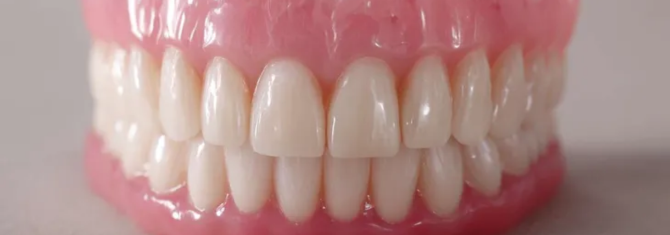
Understanding Different Types of Dentures for Seniors
Dentures are a common solution for seniors looking to restore their smile, improve chewing ability, and maintain oral health. There are several types of dentures available, each designed to meet specific needs and preferences.
Complete Dentures:
Complete dentures are used when all teeth in the upper or lower jaw are missing. They rest directly on the gums and are custom-made to fit comfortably. These are ideal for individuals who have lost all their natural teeth.
Partial Dentures:
Partial dentures are suitable when some natural teeth remain. They are designed to fill the gaps and are usually secured with clasps or attachments to existing teeth, helping maintain alignment and function.
Immediate Dentures:
Immediate dentures are placed right after tooth extraction. This allows patients to avoid being without teeth during the healing period. However, adjustments may be needed over time as the gums heal and change shape.
Implant-Supported Dentures:
These dentures are anchored to dental implants that are surgically placed into the jawbone. They provide greater stability, improved comfort, and a more natural feel compared to traditional dentures. They are especially beneficial for those seeking a long-term, secure solution.
Each type of denture offers unique advantages, and the best choice depends on factors such as oral health, budget, and personal comfort. Consulting with a dental professional can help determine the most suitable option for individual needs.
Medicare Coverage and Dental Assistance Programs
Understanding how dental care is covered under Medicare and other assistance programs is important for seniors considering dentures or other treatments.
Traditional Medicare (Part A and Part B):
Original Medicare generally does not cover routine dental care, including dentures, cleanings, or extractions. Coverage is typically limited to medical situations involving the jaw or related structures, rather than standard dental services.
Medicare Advantage Plans (Part C):
Medicare Advantage plans, offered by private insurers, often include additional dental benefits. Depending on the specific plan, coverage may include preventive services (like exams and cleanings), basic procedures, and sometimes partial coverage for dentures. However, benefits, limits, and out-of-pocket costs can vary widely, so reviewing plan details is essential.
State Medicaid Programs:
Medicaid may provide dental coverage for eligible individuals, including seniors with limited income. Some states offer benefits that include dentures and other dental services, while others provide only limited or emergency coverage. Since programs differ by state, it’s important to check local guidelines.
Other Assistance Options:
In addition to Medicare and Medicaid, seniors may explore:
-
Community health clinics or dental schools offering reduced-cost services
-
Nonprofit organizations providing dental assistance
-
Discount dental plans or supplemental insurance
Overall, while traditional Medicare has limited dental coverage, alternative programs and plans can help reduce costs and improve access to essential dental care for seniors.
Exploring Affordability Options for Denture Care
Several financial assistance options exist for seniors seeking denture coverage. Dental savings plans, which operate like membership programs, can provide discounts on denture services. Some dental schools offer reduced-cost denture services while training future dentists under professional supervision. Additionally, nonprofit organizations and community health centers may provide sliding-scale fees based on income.
Available Coverage and Payment Solutions
Insurance coverage for dentures varies widely among providers and plans. Many dental insurance plans cover 50% of denture costs after meeting the deductible. Payment plans and financing options through dental offices or third-party services can help make dentures more affordable through monthly installments.
Comparing Denture Coverage Options and Costs
|
Coverage Type |
Typical Coverage Level |
Annual Maximum |
Waiting Period |
|---|---|---|---|
|
Basic Dental Insurance |
50% of costs |
$1,000-$1,500 |
6-12 months |
|
Medicare Advantage |
Varies by plan |
$1,000-$2,000 |
Plan specific |
|
Dental Savings Plans |
20-60% discount |
No maximum |
None |
|
Medicaid |
Full or partial coverage |
Varies by state |
None |
Prices, rates, or cost estimates mentioned in this article are based on the latest available information but may change over time. Independent research is advised before making financial decisions.
Selecting the Right Denture Care Provider
When choosing a denture provider, consider factors such as experience with senior dental care, available payment options, and proximity to your location. Request detailed treatment plans and cost estimates before proceeding. Many providers offer free initial consultations to discuss denture options and coverage possibilities.
This article is for informational purposes only and should not be considered medical advice. Please consult a qualified healthcare professional for personalized guidance and treatment.