Cruises From Sydney To Japan: 2026 Fares, Itineraries & Booking Guide
Voyaging from the iconic waters of Sydney Harbour to the vibrant ports of Tokyo, Yokohama, or Osaka represents one of the world’s most captivating long-haul sea routes. These epic journeys—often operating as seasonal repositioning cruises when major lines transition their fleets from the Australian summer season to the Northern Hemisphere spring—span between 18 and 35 nights.
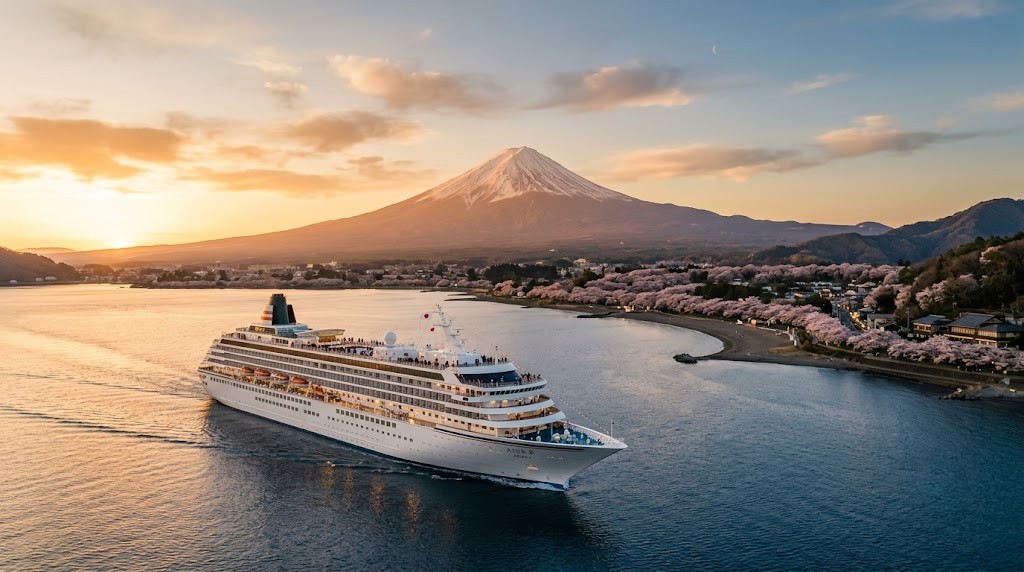
1. Sydney to Japan Cruises At A Glance
|
Cruise Line & Ship |
Typical Duration |
Major Route Highlights |
Starting Fare (Inside pp) |
Balcony / Suite Range pp |
|---|---|---|---|---|
|
Princess Cruises (Diamond / Coral Princess) |
21–28 Nights |
Sydney, Brisbane, Cairns, Guam, Osaka, Yokohama (Tokyo) |
From $3,490 |
$5,290 – $11,800+ |
|
Holland America Line (Noordam / Westerdam) |
26–32 Nights |
Sydney, Coral Sea, Papua New Guinea, Philippines, Kagoshima, Tokyo |
From $4,190 |
$6,490 – $14,200+ |
|
Cunard (Queen Elizabeth) |
20–25 Nights |
Sydney, Whitsundays, Darwin, Bali, Manila, Keelung (Taipei), Yokohama |
From $4,890 |
$7,890 – $18,500+ |
|
Silversea / Regent (Ultra-Luxury) |
18–24 Nights |
Sydney, Great Barrier Reef, Palau, Okinawa, Shimizu (Mt. Fuji), Tokyo |
From $12,900 (All-Inclusive) |
$16,500 – $32,000+ |
|
Norwegian Cruise Line (NCL Jewel / Sun) |
19–23 Nights |
Sydney, Townsville, Cairns, Komodo, Manila, Ishigaki, Tokyo |
From $3,290 |
$4,990 – $9,900+ |
Note: Advertised prices are estimated starting rates per person (pp), twin-share basis in AUD/USD depending on operator, excluding discretionary shore excursions and onboard extras unless booked under an all-inclusive package.
2. Typical Itinerary Routes & Major Ports of Call
The voyage from Sydney to Japan covers thousands of nautical miles, transitioning from the Southern Pacific into the East China Sea and North Pacific. Most sailings follow one of three primary routing corridors:
The Tropical Pacific & Micronesia Route
-
Departing: Sydney Harbour, heading northward along the New South Wales and Queensland coasts.
-
Intermediate Ports: Brisbane, Cairns (Yorkeys Knob), Alotau or Rabaul (Papua New Guinea), and Guam or Saipan.
-
Japanese Arrival: Yokohama (Tokyo), Shimizu (for views of Mount Fuji), and Nagoya.
The Southeast Asia & Philippines Corridor
-
Departing: Sydney, navigating north-west via Darwin or the Torres Strait.
-
Intermediate Ports: Bali/Komodo Island (Indonesia), Manila or Boracay (Philippines), and Keelung/Taipei (Taiwan).
-
Japanese Arrival: Naha (Okinawa), Kagoshima, Kobe/Osaka, and Yokohama.
The Direct Trans-Equatorial Express
-
Departing: Sydney directly to Queensland hubs, crossing the equator with multiple relaxing sea days.
-
Intermediate Ports: Palau, Ishigaki, and Kochi.
-
Japanese Arrival: Yokohama or Tokyo International Cruise Terminal.
3. Cabin Tier & Fare Breakdown
Accommodations on multi-week trans-Pacific sailings require careful selection, as sea days represent a significant portion of the itinerary:
|
Cabin Category |
Best Suited For |
Expected Inclusions & Comfort |
Average Cost (21–28 Nights) |
|---|---|---|---|
|
Inside Stateroom |
Budget-conscious travelers prioritizing value |
Full access to onboard amenities, dining, and entertainment without natural light |
$3,200 – $4,500 pp |
|
Oceanview Stateroom |
Guests wanting natural daylight on long sea days |
Picture window or porthole, lounge area, dedicated cabin steward |
$4,200 – $5,800 pp |
|
Balcony / Verandah |
Most popular option for scenic coastal cruising |
Private outdoor veranda, floor-to-ceiling sliding glass doors, breakfast room service |
$5,200 – $8,500 pp |
|
Mini-Suite / Club Class |
Travelers desiring extra living space and perks |
Expanded sitting room, full bathtub, priority check-in, premium dining seating |
$7,500 – $12,000 pp |
|
Luxury Suite / Haven |
Premium guests seeking top-tier indulgence |
Dedicated butler service, private lounge/sun deck access, all-inclusive beverage & dining |
$14,000 – $30,000+ pp |
4. Cruise Line Comparisons
Premium Lines: Princess Cruises & Holland America Line
-
Princess Cruises: Known as the premier operator in Japan, Princess ships feature authentic touches like the Izumi Japanese baths, fresh sushi bars, and multi-lingual port enrichment lectures.
-
Holland America Line: Emphasizes classical live music, culinary immersion through regional cooking demonstrations, and extended port stays with overnight stops in ports like Osaka and Manila.
Heritage Luxury: Cunard Line
-
The Experience: Cunard’s Queen Elizabeth offers traditional British ocean liner grandeur, complete with gala formal nights, afternoon tea service, ballroom dancing, and high-profile guest speakers discussing maritime history and Asian geopolitics.
Ultra-Luxury: Silversea & Regent Seven Seas
-
The Experience: Completely all-inclusive fares covering business-class airfare credits, shore excursions in every port, vintage wines, open-bar champagne, and personalized white-glove butler service in every suite.
5. Best Time of Year to Cruise to Japan
Most Sydney-to-Japan cruises depart between late February and early April, carefully timed with two key factors:
-
The Australian Autumn Repositioning: Ships finish their southern summer seasons and head north to avoid the Southern Hemisphere winter.
-
The Japanese Cherry Blossom (Sakura) Season: Arriving in Tokyo or Osaka between late March and mid-April allows passengers to experience peak cherry blossom blooms across Honshu and southern Japan.
-
Autumn Foliage Alternative: A smaller selection of reverse sailings (Japan to Sydney) takes place in September and October, capturing vibrant autumn colors (Koyo) across Japan before heading south for the Australian summer.
6. What Is Included vs. Extra Costs?
-
Standard Inclusions: Stateroom accommodation, 3-course main dining room meals, buffet dining, 24-hour casual snacks, theatrical production shows, fitness center, and swimming pools.
-
Typical Additional Costs:
-
Beverage Packages: Standard alcoholic or specialty coffee packages ($60–$110 AUD per person/day).
-
Daily Crew Gratuities: $16–$22 USD per person/day depending on cabin grade.
-
Specialty Dining: Surcharges for teppanyaki, steakhouse, or specialty seafood venues.
-
Return Flights: One-way airfare from Tokyo/Haneda or Narita back to Sydney.
-
High-Speed Satellite Internet (Starlink): Essential for remote connectivity during 6–10 consecutive sea days.
-
7. Frequently Asked Questions (FAQs)
How long does a cruise from Sydney to Japan take?
Most direct repositioning voyages take between 20 and 32 nights, depending on the number of intermediate port calls in Queensland, Micronesia, and Southeast Asia.
Which month is best to book for cherry blossoms?
Departing Sydney in late February to early March ensures your arrival in Japanese ports coincides with peak Sakura season in late March and early April.
Do Australian citizens need a visa for Japan?
Australian passport holders travelling to Japan for tourism do not require a tourist visa for stays under 90 days. However, transit visas or electronic travel authorities (ETAs) may be required for intermediate stops such as the Philippines or Guam (US ESTA).
Which cruise terminal do ships depart from in Sydney?
Most mega-liners and international cruise ships depart from the Overseas Passenger Terminal (OPT) at Circular Quay, with smaller vessels occasionally using White Bay Cruise Terminal.
Where do cruises dock in Japan?
Most trans-Pacific sailings conclude at Yokohama International Passenger Terminal (Osanbashi or Daikoku) or the Tokyo International Cruise Terminal in Tokyo Bay.
Can I book a reverse cruise from Japan to Sydney?
Yes, reverse itineraries (Yokohama/Tokyo to Sydney) operate annually during the Northern Hemisphere autumn, primarily departing in September, October, and November.
Are flights back to Sydney included in the fare?
Standard cruise-only bookings do not include return airfare. However, packaged cruise-tour operators frequently offer bundle deals that integrate one-way international flights and airport transfers.
8. Practical Booking Checklist
-
[ ] Passport Validity: Ensure your passport has at least six months of validity remaining beyond your scheduled return date.
-
[ ] Transit Visas & Clearances: Check entry regulations and transit visa requirements for all port stops (e.g., US ESTA for Guam, e-Travel declaration for the Philippines).
-
[ ] Secure Early Bird Fares: Repositioning voyages have limited annual departures (often only 1 or 2 per ship per year); book 10–18 months in advance for balcony staterooms.
-
[ ] Add Beverage & Wi-Fi Packages Early: Pre-purchasing packages prior to embarkation typically saves 10%–25% compared to onboard rates.
-
[ ] Arrange Return Flights & Post-Cruise Hotels: Plan at least 2–3 nights in Tokyo or Kyoto after disembarkation to fully explore Japan before flying home to Sydney.
Disclaimer: Cruise fares, port schedules, fuel surcharges, visa requirements, and onboard amenities are subject to change by cruise operators and maritime authorities. Always confirm current itinerary details and pricing directly with the cruise line or a licensed travel agent before finalizing your reservation.