
Buying and Using Bank-Owned Utility Trailers: A Practical Guide
We walk through what bank-owned utility trailers are, why they appear on the market, and how to buy, inspect, finance, repurpose, and resell them. The article combines real examples, data points, and direct advice for buyers who want value without surprises. It also covers common risks, pricing patterns, and negotiation tips so buyers may better understand total costs and potential returns before making a decision.
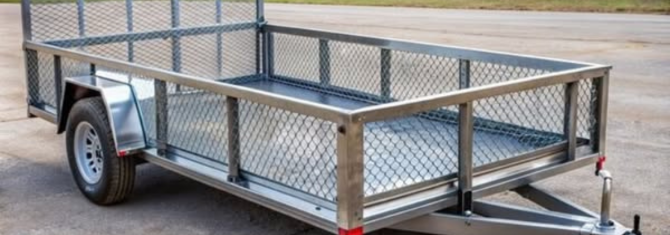
What Are Bank-Owned Utility Trailers and Why Do Banks Sell Them
Bank-owned utility trailers are repossessed assets that lenders take back after borrowers default on loans secured by trailers or business equipment. These trailers are then resold so banks can recover a portion of the unpaid balance. For instance, a regional lender once auctioned multiple trailers from a landscaping business and recovered around 60–70% of the outstanding loan value. While these listings may present lower prices than standard retail markets, buyers should remain aware of risks such as unknown condition, missing paperwork, or additional holding costs that may affect total value.
Where to Find Listings and How to Research Them
Buyers may find bank-owned utility trailers through bank surplus pages, government auction sites, and third-party platforms. Checking county auction records can also reveal useful details like repossession timelines or existing liens. Online auctions may attract more bidders, which sometimes increases competition, while smaller local auctions might present fewer participants and potentially better pricing. Comparing multiple sources and tracking listings over time may help identify patterns and realistic price ranges.
How to Inspect a Bank-Owned Utility Trailer Before Purchase
Since most bank-owned trailers are sold “as-is,” inspection becomes a critical step. Key areas to evaluate include the frame for cracks or rust, axles and wheels for wear, flooring condition, and electrical components such as lights and wiring. The hitch and coupler should also be checked for secure attachment. In some cases, hidden issues like structural cracks or worn bearings may lead to repair costs ranging from a few hundred to over a thousand. Bringing basic tools like a flashlight or inspection kit may help uncover these problems early.
Title, Lien Checks, and Legal Considerations
Ensuring a clear title is essential before purchasing any bank-owned trailer. Some units may carry unresolved liens or incomplete repossession documentation. Running a VIN check through local authorities or paid services may help confirm ownership status. Even a small verification cost may prevent legal complications later. Buyers who skip this step risk delays, additional fees, or even loss of the asset if ownership disputes arise.
Financing and Payment Options
Most banks require immediate payment through cash, certified checks, or wire transfers during auctions. However, some buyers may arrange financing separately through credit unions, equipment lenders, or personal loans. It is important to include repair, transport, and registration costs when planning financing, as these may significantly increase the total investment beyond the purchase price.
Pricing, Valuation, and Negotiation Tips
Bank-owned trailers often sell below market value due to their condition and the need for quick liquidation. Prices may range between 50% and 80% of comparable new units. Setting a maximum bid that includes all additional costs—repairs, transport, and fees—may help maintain a reasonable margin. In some cases, unsold inventory may be open to negotiation, especially if buyers can arrange quick payment and pickup.
Transporting and Storage Logistics
After purchase, transporting the trailer safely requires proper towing capacity, secure hitching, and safety chains. Delays in pickup may result in daily storage fees, which can quickly reduce savings. Planning transportation in advance or arranging professional hauling services may help avoid unnecessary costs and complications.
Common Repairs and Cost Expectations
Typical repairs for bank-owned trailers may include tire replacement, flooring repairs, axle servicing, and electrical fixes. Costs can vary widely depending on the trailer’s condition, with average repair expenses often reaching several hundred dollars. Factoring these into the total budget may provide a clearer understanding of whether the purchase is worthwhile.
Repurposing and Practical Uses
Utility trailers can serve multiple purposes beyond their original use. Buyers may convert them into mobile workshops, storage units, or business tools for landscaping, construction, or delivery services. Creative repurposing may increase functionality and long-term value, especially for small business owners.
Reselling for Profit: Strategies and Examples
Flipping bank-owned trailers may be profitable when purchase prices are low and repairs are managed efficiently. Basic improvements like cleaning, repainting, or replacing worn parts may increase resale value. Listing the trailer with clear photos, repair details, and proper documentation may attract more buyers and support a quicker sale.
Answering Common Buyer Questions
Many buyers ask whether bank-owned trailers are reliable. With proper inspection and title verification, they may be a practical purchase. These trailers are typically sold without warranties, so repair planning is necessary. Registration usually involves transferring the title or using repossession documents accepted by local authorities.
Final Checklist Before Buying
Before making a purchase, confirm the VIN and title status, inspect all major components, estimate repair and transport costs, and understand payment terms. Checking storage fees and setting a strict maximum budget may help avoid overspending. Keeping a simple cost breakdown that includes all expenses—purchase, repairs, transport, and registration—may support better decision-making and reduce financial risk.