
A Homeowner’s Guide to Outdoor BBQ Grills: Types, Features, Setup and Everyday Use
Outdoor BBQ grills are a common addition to many homes, offering a way to prepare meals outside while enjoying open-air spaces. From compact grills for small patios to larger setups for backyard cooking, there are various options available to suit different needs. Understanding grill types, fuel options, features, and setup considerations can help homeowners choose a suitable option for regular use and outdoor gatherings.
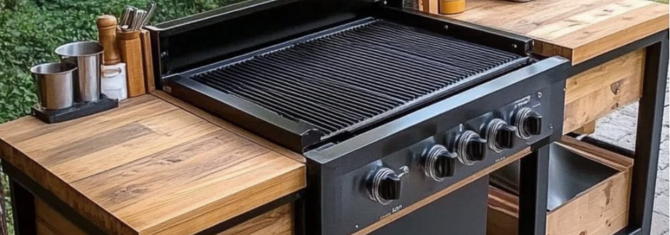
Overview of Outdoor BBQ Grills for Homeowners
Outdoor BBQ grills provide a practical way to cook meals in an open environment. They are commonly used in backyards, patios, and garden areas, allowing homeowners to prepare a variety of foods while spending time outdoors. Grills come in different sizes and configurations, making them suitable for both occasional use and regular cooking.
Types of Outdoor BBQ Grills
There are several types of outdoor BBQ grills available, each designed for different cooking styles and preferences. Charcoal grills are known for their traditional cooking method, while gas grills offer convenience and easier temperature control. Electric grills are often used in smaller spaces where other fuel types may not be practical. Each type has its own setup and maintenance requirements.
Fuel Options and Their Differences
Outdoor grills operate using different fuel sources such as charcoal, propane, natural gas, or electricity. Charcoal grills require manual ignition and produce a distinct cooking style, while gas grills use propane or natural gas for quicker setup. Electric grills rely on power outlets and are generally easier to operate in limited spaces. Choosing a fuel type depends on convenience, availability, and cooking preferences.
Grill Sizes and Space Considerations
Grill size is an important factor for homeowners. Smaller grills are suitable for compact patios or balconies, while larger grills are designed for backyard use. Considering available space helps ensure the grill fits comfortably within the outdoor area without causing obstruction.
Key Features to Look For
Outdoor BBQ grills may include features such as adjustable heat controls, multiple burners, cooking grates, and storage shelves. Some grills also have lids for controlled cooking and built-in thermometers for monitoring temperature. These features can influence how the grill is used and maintained over time.
Materials and Build Quality
Grills are made from materials such as stainless steel, cast iron, and coated metals. These materials affect durability and heat retention. Choosing a grill with sturdy construction can help ensure it withstands outdoor conditions and regular use.
Setup and Installation Requirements
Setting up an outdoor BBQ grill involves selecting a safe and stable location. For gas grills, proper connection to fuel sources is necessary, while charcoal grills require a safe area for lighting and cooling. Electric grills need access to a power source. Following setup guidelines helps ensure safe operation.
Maintenance and Cleaning Practices
Regular maintenance helps keep the grill in good working condition. Cleaning the grates, removing ash or residue, and checking components such as burners or connections are common practices. Proper maintenance also supports consistent cooking performance.
Cooking Experience and Usage
Outdoor BBQ grills allow homeowners to prepare a variety of foods, including vegetables, meats, and other items. The open-air environment provides a different cooking experience compared to indoor kitchens. Grills can be used for everyday meals or occasional gatherings.
Safety Considerations
Using an outdoor grill requires attention to safety. Keeping the grill on a stable surface, maintaining distance from flammable materials, and monitoring cooking at all times are important steps. Proper handling of fuel sources and heat elements also contributes to safe usage.
Storage and Protection
When not in use, grills should be stored or covered to protect them from weather conditions. Protective covers can help prevent damage from rain, dust, or sunlight, extending the lifespan of the equipment.
Choosing the Right Grill for Your Needs
Selecting a grill depends on factors such as available space, preferred fuel type, and frequency of use. Homeowners may consider how often they plan to use the grill and the type of cooking they intend to do before making a choice.
Seasonal Use and Outdoor Setup
Outdoor BBQ grills are often used more frequently during certain times of the year. Preparing the grill before use and storing it properly afterward helps maintain its condition across seasons.
Benefits of Outdoor Cooking at Home
Outdoor cooking provides a change from indoor routines and allows homeowners to utilize their outdoor space. It can also create opportunities for social interaction and shared experiences in a relaxed setting.
Common Mistakes to Avoid
Some common mistakes include placing the grill too close to walls, neglecting regular cleaning, or not checking fuel connections. Avoiding these issues can improve both safety and performance.
Long-Term Use and Durability
With proper care, outdoor BBQ grills can be used for many years. Regular inspection and maintenance contribute to consistent performance and help prevent unexpected issues.
Overall, outdoor BBQ grills offer homeowners a functional and enjoyable way to prepare meals outside. By understanding the different types, features, and maintenance requirements, it becomes easier to choose and use a grill effectively in a home setting.