5 Best Skin-Tightening Creams Guide to Ingredients, Benefits, Skin Types, and Everyday Use
Skin-tightening creams can help improve the appearance of fine lines, dryness, uneven texture, and mild loss of firmness. This guide explores five types of formulas commonly used for firmer-looking skin, including products featuring retinol, peptides, vitamin C, hyaluronic acid, and moisturizing ingredients. It also explains what these ingredients can do, how to select a suitable formula, and important considerations for incorporating them into a skincare routine.
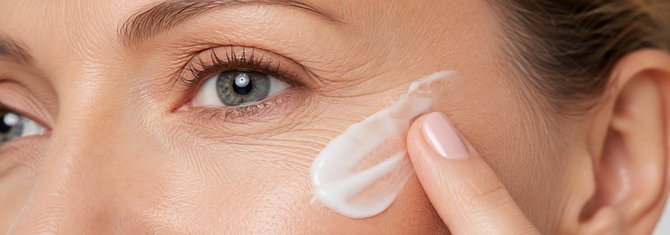
Understanding Skin Tightening Creams
Skin-tightening creams are topical skincare products designed to improve the appearance and feel of skin that looks less firm, dry, or uneven. Many formulas focus on hydration, collagen-supporting ingredients, antioxidants, and compounds that improve the surface texture of the skin.
It is important to understand that a cream cannot physically lift significantly sagging skin in the same way as a cosmetic procedure. The American Academy of Dermatology notes that firming creams generally produce subtle results, while ingredients such as retinol may provide some improvement by supporting collagen production.
The most useful approach is therefore to look at the ingredients and expected benefits rather than expecting an instant lifting effect.
1 Retinol Based Skin Tightening Creams
Retinol is one of the most widely studied ingredients used in skincare products designed to address visible signs of aging. It belongs to the retinoid family, which is derived from vitamin A.
According to the American Academy of Dermatology, retinoids can increase skin-cell turnover and stimulate collagen production, which may improve the appearance of fine lines and uneven skin texture.
Retinol creams are often incorporated into nighttime routines. People who have sensitive or dry skin may need to introduce retinol gradually because irritation, redness, and dryness can occur.
A systematic review of cosmetic ingredients found stronger evidence for retinol and vitamin C than for several other commonly marketed anti-aging ingredients, although research limitations remain.
What to Look For in a Retinol Cream
When considering a retinol formula, check the ingredient list and product instructions. Starting with a lower-strength formulation can help the skin adjust.
Retinol can increase sensitivity to sunlight, so daytime sun protection is an important part of a routine that includes retinoids. The American Academy of Dermatology recommends sun protection when using retinoid products.
Retinoids should also be avoided during pregnancy unless a healthcare professional specifically advises otherwise.
2 Peptide Skin Firming Creams
Peptides are short chains of amino acids used in many modern skincare formulations. They are commonly included in products designed to support the appearance of firmness and smoother-looking skin.
Peptide-based products can also provide moisturizing benefits when combined with ingredients such as glycerin, ceramides, or hyaluronic acid.
Recent skincare testing and expert coverage continue to highlight peptides as a popular ingredient category for improving the appearance of fine lines and supporting a smoother skin texture.
Why Peptides Are Used in Skincare
Peptides are often selected for formulas intended to support collagen-related processes in the skin. However, results can depend on the specific peptide, concentration, formulation, and ability of the ingredient to remain stable and reach the intended skin layers.
A peptide cream may therefore be useful as part of a broader skincare routine, particularly for people primarily concerned with hydration and surface texture.
3 Vitamin C Skin Creams
Vitamin C is another ingredient frequently used in skincare products targeting visible signs of aging. It functions as an antioxidant and can help support collagen-related processes while addressing uneven-looking skin tone.
A recent review of anti-aging cosmeceuticals gave vitamin C a strong recommendation grade based on available clinical evidence, although the researchers also noted limitations in the available studies and the need for additional long-term research.
Vitamin C is often used during the daytime, particularly alongside sunscreen.
Choosing a Vitamin C Formula
Vitamin C products can vary substantially in formulation and concentration. Some forms can be unstable when exposed to light, air, or heat.
A well-formulated product stored according to its instructions can be easier to incorporate into a consistent skincare routine.
Vitamin C does not physically tighten loose skin, but it may contribute to a healthier-looking complexion and support other aspects of an anti-aging skincare routine.
4 Hyaluronic Acid Moisturizing Creams
Hyaluronic acid is a hydrating ingredient used in creams, serums, and other skincare products. It helps attract and retain water, which can make the surface of the skin appear smoother and more hydrated.
Hydration can temporarily make fine lines appear less noticeable because well-moisturized skin can look fuller and smoother.
Recent reviews of skin-aging interventions have examined hydrators such as hyaluronic acid alongside retinoids, antioxidants, peptides, and other topical ingredients. However, the evidence for hydrators alone is less established than the evidence supporting retinoid-based approaches.
When Hydrating Creams Can Be Useful
A hyaluronic acid cream can be particularly useful for skin that feels dry, tight, or rough. It can also complement stronger active ingredients by supporting the skin’s moisture barrier.
For someone beginning a skincare routine, a hydrating cream can provide a simple foundation before adding more active ingredients.
5 Antioxidant and Moisturizing Firming Creams
Another category includes creams combining antioxidants with moisturizing and skin-conditioning ingredients. These formulas may contain vitamin C derivatives, niacinamide, botanical antioxidants, ceramides, or other supporting ingredients.
The goal is usually to improve the overall appearance of skin rather than produce an immediate lifting effect.
The American Academy of Dermatology explains that moisturizers can temporarily plump the skin and make fine lines and wrinkles less noticeable.
Why a Combination Formula Can Be Useful
A combination formula can address several visible concerns at once. Hydrating ingredients can improve softness, while antioxidants may help protect against environmental stressors.
The effectiveness of a combination cream depends on its specific ingredients and formulation, so reading the label is more useful than relying solely on the product category.
Comparing the Five Skin Tightening Cream Types
|
Cream Type |
Common Focus |
Suitable Concern |
|---|---|---|
|
Retinol |
Collagen support and texture |
Fine lines and uneven texture |
|
Peptides |
Firm-looking skin and conditioning |
Early signs of aging |
|
Vitamin C |
Antioxidant support and tone |
Uneven-looking complexion |
|
Hyaluronic Acid |
Hydration and surface smoothness |
Dry or dehydrated skin |
|
Antioxidant Moisturizer |
Hydration and environmental support |
General skin maintenance |
These categories overlap considerably. A single product may contain several of these ingredients.
How to Choose a Skin Tightening Cream
Consider Your Skin Type
Skin type can influence which formula feels comfortable and how frequently it can be used.
Dry skin may benefit from richer moisturizing ingredients, while oily or combination skin may feel more comfortable with lightweight textures.
Sensitive skin may require extra attention to fragrance, active ingredients, and potential irritants.
Consider Your Main Skin Concern
Someone concerned primarily with fine lines may consider a retinoid-based product, while someone focused on dryness may prioritize a moisturizing formula containing hyaluronic acid.
For uneven-looking tone, antioxidant ingredients such as vitamin C may be worth considering.
Check the Ingredient List
Looking at the active ingredients can provide more useful information than relying on marketing descriptions.
Consider whether the product contains ingredients appropriate for your skincare goals and whether the formula includes supporting moisturizing ingredients.
How to Introduce Active Skincare Ingredients
Introducing several active products at the same time can make it difficult to determine which product is responsible for irritation or improvement.
A gradual routine can make it easier to monitor the skin’s response.
Retinol products, in particular, are commonly introduced slowly. The American Academy of Dermatology advises beginning with a lower-intensity retinoid and using it less frequently before gradually increasing use as tolerated.
Using a moisturizer can also help reduce dryness associated with retinoid use.
Morning and Evening Skincare Routine
Morning Routine
A simple morning routine may include a gentle cleanser, antioxidant or hydrating product, moisturizer, and broad-spectrum sunscreen.
Sun protection is particularly important because ultraviolet exposure contributes significantly to visible skin aging. Research reviews identify chronic ultraviolet exposure as a major factor in photoaging.
Evening Routine
An evening routine can include cleansing, a selected active ingredient such as retinol, and a moisturizer.
Not every active ingredient needs to be used every day. The appropriate frequency depends on the product and the individual’s tolerance.
What Results Can You Expect?
Skin-tightening creams generally provide gradual and subtle improvements rather than dramatic changes.
The American Academy of Dermatology states that firming creams can produce subtle effects, while creams cannot penetrate deeply enough to physically lift significantly sagging skin.
Moisturizing ingredients can create a temporary plumping effect, while retinoid-based products may require consistent use over an extended period before visible changes become noticeable.
A recent review also emphasizes that many studies of topical anti-aging ingredients have limitations, including small sample sizes, short study periods, and differences in formulations.
Final Thoughts on Skin Tightening Creams
The five main categories to consider when researching skin-tightening creams are retinol-based formulas, peptide creams, vitamin C products, hyaluronic acid moisturizers, and antioxidant-rich firming creams.