4 Neurologist Tips for Understanding Tardive Dyskinesia
Understanding Tardive Dyskinesia: 4 Key Insights About Symptoms, Causes, and Care
Navigating a long-term medical condition or managing prescription medications often comes with a complex set of terms and potential side effects. Among these is tardive dyskinesia (TD), a neurological condition characterized by involuntary body movements. While the condition has gained more awareness in recent years, many people still find the terminology and concepts surrounding it unfamiliar or overwhelming.
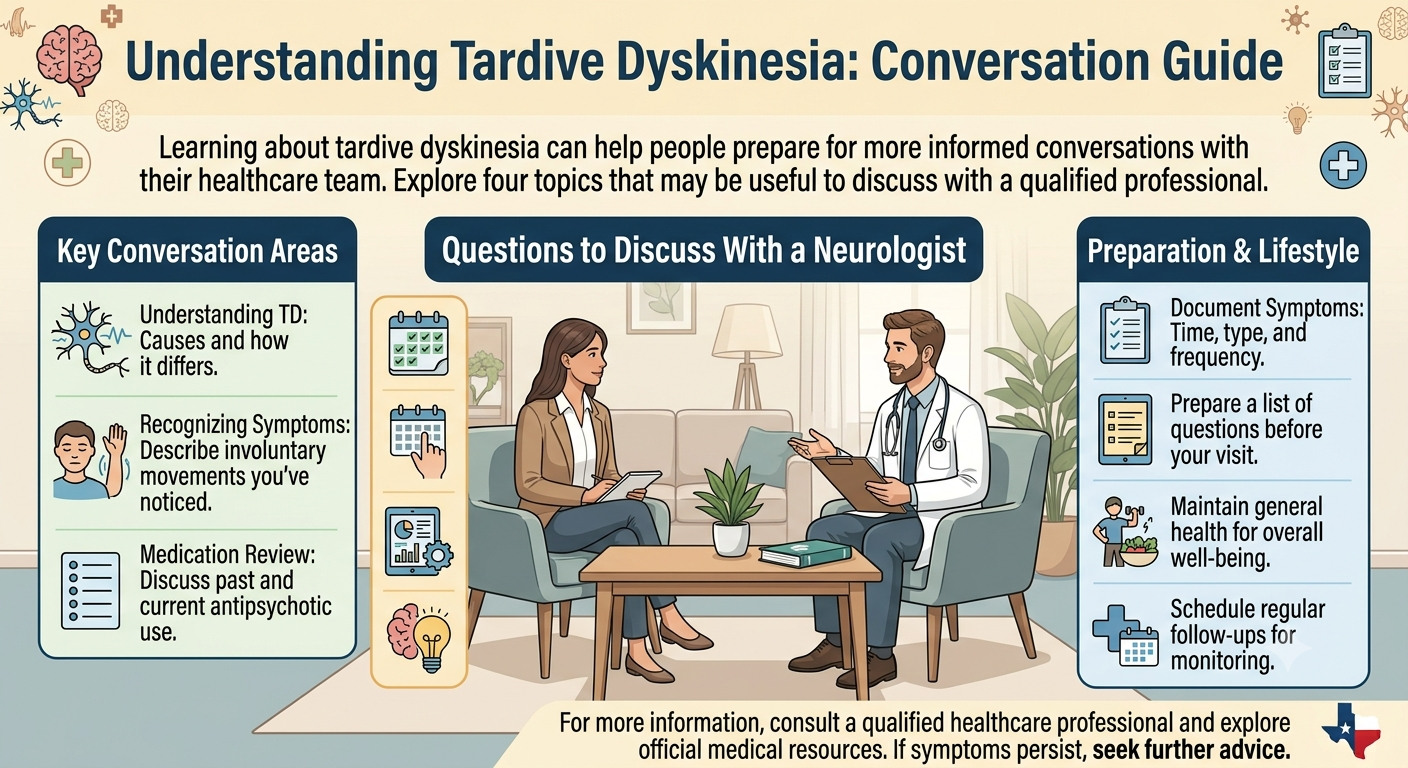
Gaining a grounded, factual understanding of tardive dyskinesia can help individuals, caregivers, and families recognize unusual physical shifts early and hold more informed, productive conversations with medical providers. Here are four key insights about the symptoms, causes, and clinical management of tardive dyskinesia.
1. What Tardive Dyskinesia Is
At its core, tardive dyskinesia is a movement disorder defined by repetitive, uncontrollable body movements. The name itself reflects the nature of the condition: “tardive” means late or delayed, and “dyskinesia” translates to abnormal or impaired movement.
Unlike voluntary actions, the physical movements associated with TD occur automatically without the person intending to make them. These movements can affect various parts of the body, most commonly involving the lower face, mouth, and jaw, though they can also extend to the limbs and torso.
Common Characteristics and Variations
The physical presentation of TD varies considerably from person to person. For one individual, movements might be mild and barely noticeable; for another, they may be more prominent and interfere with daily activities like speaking, chewing, or walking.
Movement patterns may include:
-
Facial and Oral Movements: Lip smacking, puckering, grimacing, rapid blinking, or involuntary tongue protrusion and movement inside the mouth.
-
Limb Movements: Uncontrolled twitching, tapping, or writhing movements in the fingers, hands, arms, or feet.
-
Trunk Movements: Sucking in or pushing out the abdomen, swaying, or rocking motions of the torso.
Because these symptoms fluctuate in intensity and differ in appearance between individuals, understanding tardive dyskinesia requires recognizing that there is no single “typical” case.
2. How Tardive Dyskinesia Can Develop
Understanding what causes tardive dyskinesia involves examining how certain prescription medications interact with the central nervous system over time. TD is primarily associated with the long-term use of specific medications, particularly those that alter dopamine signaling in the brain.
Dopamine is a key neurotransmitter that helps regulate motor control and smooth physical movement. When medications block or alter dopamine receptors over an extended period, the brain’s motor pathways may adapt in ways that lead to involuntary physical activity.
Long-Term Exposure to Dopamine-Blocking Medication
                      │
                      ▼
Disruption of Dopamine Receptors in Brain Motor Pathways
                      │
                      ▼
   Development of Involuntary Movements (TD)
Medications Associated with Tardive Dyskinesia
The primary medications associated with tardive dyskinesia belong to a class known as dopamine receptor antagonists. These include:
-
Antipsychotic Medications: Used to treat conditions such as schizophrenia, bipolar disorder, and major depressive disorder. Both older (first-generation or “typical”) and newer (second-generation or “atypical”) antipsychotics carry a potential risk, though the risk level varies across specific drugs and dosages.
-
Gastrointestinal Medications: Certain long-term medications prescribed for chronic gastrointestinal issues, such as severe heartburn, acid reflux, or gastroparesis (e.g., metoclopramide), also block dopamine receptors and carry a risk of TD.
It is important to emphasize that taking these medications does not mean a person will automatically develop tardive dyskinesia. Many people take these prescriptions for years without experiencing motor side effects. The development of TD depends on a range of factors, including duration of treatment, cumulative dosage, age, and individual biological susceptibility.
Because of these complexities, maintaining a thorough and up-to-date medication history is essential when discussing any health changes with a medical provider.
3. What Symptoms May Look Like
Recognizing the early signs of tardive dyskinesia often relies on noticing subtle, unusual physical patterns that do not fade over time. Because symptoms can develop slowly—sometimes months or years after starting a medication—they may initially go unnoticed by the individual or be attributed to nervousness or stress.
Recognizing Movement Patterns
Observing physical shifts in daily life can help individuals and family members gather helpful information for healthcare visits. Tardive dyskinesia symptoms generally involve rhythmic or repetitive actions, such as:
|
Body Region |
Potential Involuntary Movements |
|---|---|
|
Mouth and Jaw |
Repetitive chewing motions, jaw clenching, lip smacking or puckering, puffing out cheeks. |
|
Tongue |
Thrusting out, rolling, or constant movement of the tongue inside or outside the mouth. |
|
Eyes and Upper Face |
Uncontrolled rapid blinking, squinte, or subtle eyebrow twitching. |
|
Limbs and Extremities |
Fidgeting fingers, piano-playing movements of the hands, or constant foot-tapping. |
|
Trunk and Neck |
Involuntary head turns, neck twisting, or gentle rocking motions while seated. |
Identifying these shifts is not intended for self-diagnosis. Rather, observing when movements occur, how often they happen, and whether they interfere with routine activities (such as eating or sleeping) provides valuable details for a clinical evaluation.
4. How Healthcare Professionals Evaluate and Manage TD
Evaluating and managing tardive dyskinesia requires comprehensive medical oversight. There is no single blood test or imaging scan that diagnoses TD; instead, a tardive dyskinesia diagnosis relies on a clinical evaluation performed by a physician, neurologist, or psychiatrist.
The Evaluation Process
During an evaluation, a clinician will typically:
-
Review Medical and Medication History: Examine current and past prescription treatments, dosages, and duration of use.
-
Perform Physical and Neurological Exams: Observe body movements using standardized rating scales, such as the Abnormal Involuntary Movement Scale (AIMS), to measure the severity and location of involuntary activity.
-
Rule Out Other Movement Disorders: Distinguish TD from other conditions that cause involuntary movements, such as Parkinson’s disease, Huntington’s disease, or essential tremor.
Management and Tardive Dyskinesia Treatment Options
Once evaluated, tardive dyskinesia treatment options are tailored to the individual’s overall medical needs, underlying conditions, and symptom severity. Management approaches may include:
-
Medication Review: A clinician may carefully evaluate the primary medication that caused or contributed to the symptoms. Depending on the patient’s psychiatric or medical needs, they may consider adjusting the dose or gradually transitioning to an alternative treatment.
-
VMAT2 Inhibitors: The U.S. Food and Drug Administration (FDA) has approved specific medications known as vesicular monoamine transporter 2 (VMAT2) inhibitors designed to treat adults with tardive dyskinesia by helping to regulate dopamine release in the brain.
-
Routine Monitoring: Regular check-ins to track whether movements are improving, remaining stable, or changing over time.
Because sudden changes to underlying prescriptions (such as antipsychotic medications) can cause severe psychiatric relapse or withdrawal symptoms, patients should never stop, reduce, or alter their medications without direct guidance from their treating physician.
When to Speak with a Healthcare Professional
If you or a loved one notices persistent, unusual, or uncontrollable body movements—especially while taking or after having taken medications associated with dopamine regulation—it is important to schedule a conversation with a qualified healthcare provider.
Bringing a written log of observed movements, along with a complete list of current and past medications, can help facilitate a clear and productive medical consultation. Early discussion allows healthcare providers to thoroughly assess the situation, balance mental and physical health priorities, and create an appropriate, personalized management plan.